
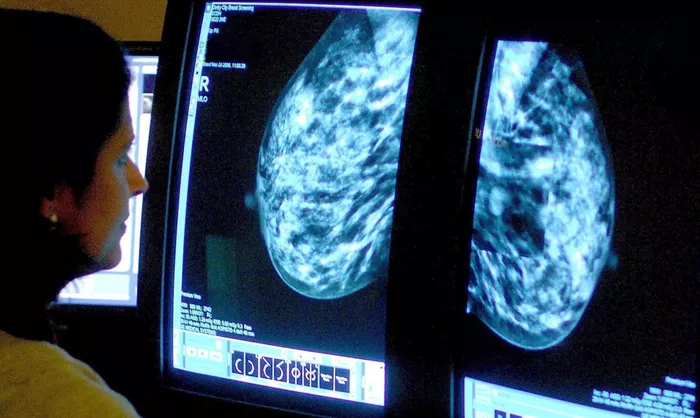
A new study from the LSU LCMC Health Cancer Center provides fresh insight into triple-negative breast cancer (TNBC), an aggressive form of breast cancer that lacks targeted treatment options.
The findings, published in NPJ Breast Cancer, suggest that biology—not race—drives disease behavior, and they identify a previously unknown tumor subtype that may guide future therapies.
The National Cancer Institute–funded project analyzed tumors from more than 250 Black and White women across Louisiana. The research team, led by Lucio Miele, MD, PhD, collaborated with investigators at LSU Health New Orleans, City of Hope Cancer Center, and the University of California, San Diego.
By balancing age, stage, and additional clinical variables, the study aimed to isolate the biological features of TNBC from socioeconomic factors.
The researchers reported three key findings. First, race did not independently predict survival. The study indicates that poorer outcomes among Black women with TNBC stem largely from delayed diagnosis and barriers to care, not differences in tumor biology. Second, the investigators identified a molecular TNBC subtype not previously described.
This subtype shows distinct genetic characteristics that may support the development of targeted treatment strategies. Third, tumors from Black women showed higher levels of specific immune cells, especially B-cells. These immune patterns are associated with better treatment response and longer survival, suggesting potential avenues for precision immunotherapy.
“Triple-negative breast cancer is not a single disease,” Dr. Miele said. “It encompasses multiple biological subtypes. Understanding these genetic and immune differences helps us design therapies that are tailored to each patient and can reduce health disparities.”
Victoria L. Seewaldt, MD, of City of Hope, noted that the immune findings could directly influence future treatment. “By uncovering immune differences that shape tumor behavior, we may be able to develop immunotherapies that improve survival and quality of life,” she said.
The research holds particular significance for Louisiana, a state with some of the nation’s highest breast cancer mortality rates and a disproportionate burden of TNBC among Black women. According to Dr. Miele, studies like this strengthen the LSU LCMC Health Cancer Center’s efforts toward earning National Cancer Institute designation—a milestone that would expand clinical trials, increase federal research funding, and improve access to advanced cancer care for Louisiana residents.
Related topics
