
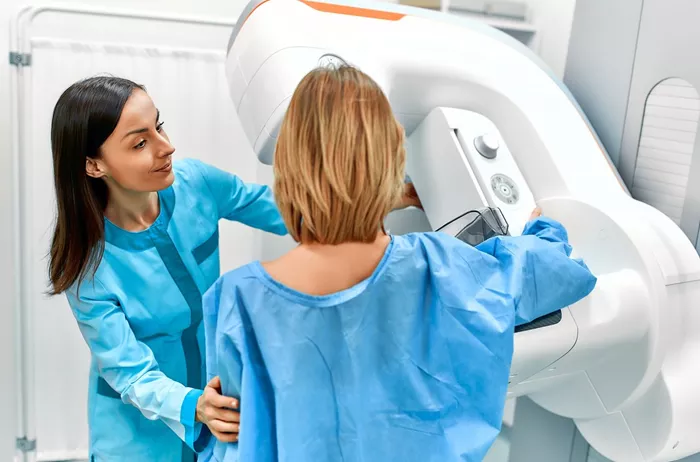
Breast cancer early screening saves lives, but confusion about how and when to get checked stops many women from regular exams. Here are eight facts that every woman should know about breast cancer early screening, separating the myths from the truth.
Mammograms Are Key for Early Detection
Mammograms are the only proven method for lowering breast cancer deaths in women at average risk. Yet, only about 75% of eligible women in the U.S. get regular mammograms. Screening helps find cancer early, when treatment works best.
Facts to Clear Up Common Claims
Women with no family history still need regular screenings. Only 5-10% of breast cancers are inherited, so most cases happen in women with no family link.
A lump is not always the earliest sign. Mammograms often detect small changes like calcifications before a lump is felt.
Breast size does not change cancer risk. Every woman faces a lifetime breast cancer risk; for most, it’s about 12%, but high-risk women may have over a 20% chance. Dense breasts, not size, may make cancer harder to spot.
Mammograms are recommended starting at age 40 for average-risk women. Those at high risk may need to start earlier and may add breast MRI to annual tests.
A negative mammogram does not guarantee you do not have breast cancer. Cancer can sometimes be missed or develop between yearly screenings.
The radiation used in mammograms is very low. The chance of cancer caused by mammogram radiation is about 1 in 5,000, far less than the number of women who will develop breast cancer in their lifetime, which is about 1 in 8.
There is no universal alternative to mammograms. MRI and ultrasound can be used in special cases, but mammograms remain the gold standard, even safe for pregnant women when needed.
Biopsies do not spread breast cancer. They are vital for an accurate diagnosis, helping doctors learn about the tumor and decide on the best treatment.
Why Early Screening Matters
Breast cancer is the most common cancer in women after skin cancer and is the second biggest cause of cancer death for women in the U.S. In 2024, more than 300,000 women were diagnosed, and 40,000 died from the disease. However, over 3 million women in the U.S. are breast cancer survivors—a powerful sign of the role early detection plays in saving lives.
Related topics:
Short Cervical Length Linked to Preterm Labour, Endometrial Cancer Insights
Missouri AG Challenges FDA Approval of Surgical Abortions Pill
Breast Cancer Assessment Test: Who Should Get Screened and When
