
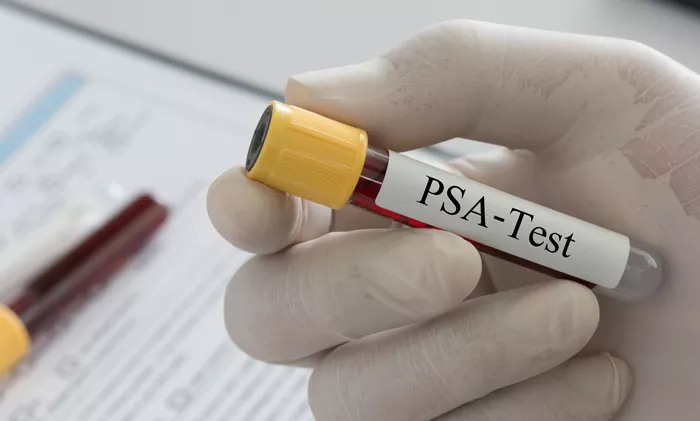
Australia is witnessing an alarming surge in prostate cancer diagnoses, particularly among men under 50. According to new data from the Australian Institute of Health and Welfare (AIHW), prostate cancer cases have risen by over 150% in the past two decades, and prostate cancer-related deaths have increased by 200% since 2014. Experts are urging for more nationwide screening and early detection efforts to combat the growing crisis.
Younger Men at Increased Risk
Prostate cancer, once considered a disease primarily affecting older men, is now increasingly being diagnosed in younger men, some in their 30s. Anne Savage, CEO of the Prostate Cancer Foundation of Australia (PCFA), emphasized that this trend signals a worrying shift in the disease’s demographic. “This is not just an old man’s disease anymore. We’re seeing more men in their 40s and even 30s being diagnosed, often without warning signs,” Savage explained. “Many are completely unaware that their lives may be in danger.”
Shocking Statistics: A 500% Increase in Cases Among Men Aged 30-39
The statistics are stark. In 2000, the rate of prostate cancer in men aged 40-49 was 4.9 cases per 100,000. By 2025, that figure is expected to rise to 12.5 per 100,000, with 458 men under the age of 50 projected to be diagnosed this year. More shockingly, diagnoses among men aged 30-39 have surged by an astonishing 500% in the same period.
High Mortality Rate: 11 Lives Lost Every Day
Prostate cancer continues to take a devastating toll on Australian men, with nearly 4,000 men dying from the disease annually—equating to 11 deaths every day. PCFA Chairman Steve Callister AM stressed the urgency of the situation: “Early action saves lives—and we need to act now,” he said, underscoring the importance of early detection and intervention in preventing unnecessary deaths.
Comparison to Other Cancers in the Same Age Group
While prostate cancer cases in younger men are rising rapidly, other cancers in the same age group have seen much smaller increases. Colorectal cancer has risen by 6.4%, kidney cancer by 4.8%, and testicular cancer by just 1.2%. This highlights the unique and alarming nature of the increase in prostate cancer diagnoses among younger men in Australia.
The Role of Genetics in Prostate Cancer
Experts believe genetic factors play a significant role in the rising prostate cancer rates. Men who have a father or brother diagnosed with prostate cancer face double the risk of developing the disease themselves. Those with multiple family members diagnosed with prostate cancer are at up to seven times the risk. Additionally, BRCA gene mutations—more commonly associated with breast and ovarian cancer—have also been linked to an increased risk of prostate cancer in men.
Early Detection and Screening Are Key
To detect prostate cancer in its early stages, doctors rely on two main screening methods: the prostate-specific antigen (PSA) blood test and the digital rectal examination (DRE). The PSA test measures levels of a protein that may indicate the presence of cancer, while the DRE involves a physical examination to check for abnormalities in the prostate.
Who Should Be Tested?
Health experts recommend that men over the age of 50, as well as younger men with a family history of prostate cancer, speak with their GP about annual screening. If either the PSA test or the DRE raises concerns, a biopsy is typically ordered to confirm the diagnosis. Further imaging and pathology tests are used to determine the cancer’s aggressiveness and whether it has spread to other parts of the body.
The Importance of Early Action
Prostate cancer experts stress that early detection significantly improves outcomes for patients. As the statistics show, the disease is no longer confined to older men, and proactive screening is essential for saving lives.
Related topics
