
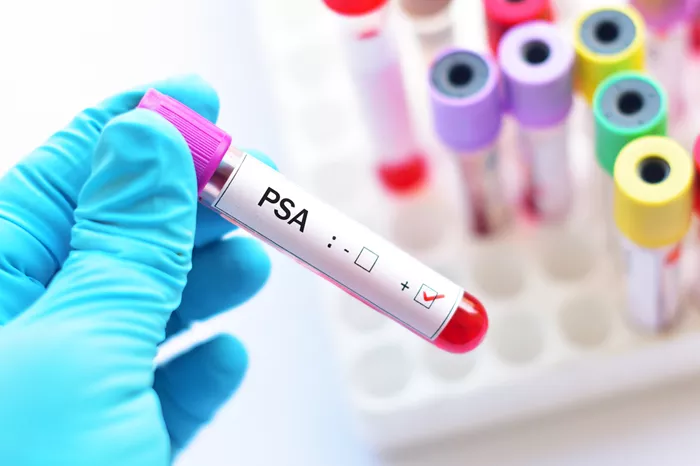
Prostate cancer is the most common cancer in men, affecting around one in eight men in the UK – equivalent to 52,000 new cases annually. However, despite its prevalence, prostate cancer is also one of the most survivable cancers when detected early. Some prostate cancers grow slowly and may not cause problems, while others grow quickly and require treatment to stop them from spreading. Research shows that many men are not regularly checking their prostate health, potentially putting them at risk. One of the major barriers to testing is the persistence of various myths surrounding prostate cancer detection.
1. Myth One: Men Are Offered Routine Checks for Prostate Cancer
Despite being the most common cancer in men, there is currently no national screening program for prostate cancer in the UK. Unlike breast or cervical cancer, which have established screening programs, men do not receive routine prostate cancer checks. This is mainly due to the fact that tests, such as Prostate-Specific Antigen (PSA) testing, are not always accurate. NHS guidelines currently advise GPs not to proactively promote PSA testing to asymptomatic men, meaning men must request it themselves.
2. Myth Two: PSA Tests Are Unreliable for Detecting Prostate Cancer
PSA testing is the most common method used to assess prostate health. While PSA testing has its limitations, such as the potential for false positives or negatives, it is still a valuable tool for early detection. Advances in diagnostic technology, such as MRI scans, are improving the accuracy of prostate cancer diagnoses. However, not all PSA tests are created equal. The accuracy of PSA tests can vary depending on whether they are home tests, clinic-based tests, or instant self-tests.
3. Myth Three: You Need to Have a Rectal Examination
Rectal exams have historically been used to test for prostate cancer, but research now shows they are not necessary for effective screening. PSA testing, combined with modern MRI scans, is now regarded as a more accurate method for detecting prostate cancer. However, many men are still under the misconception that a rectal examination is required, which can deter them from getting tested.
4. Myth Four: Prostate Cancer Only Affects Elderly Men
While the risk of developing prostate cancer increases with age, it does not only affect elderly men. Prostate cancer can develop in men under the age of 50, although this is less common. High-risk groups, such as black men and those with a family history of prostate cancer, are more likely to develop the disease. One in four black men will develop prostate cancer in their lifetime, and awareness of this risk is still low among many men.
5. Myth Five: You Only Need to Get Tested for Prostate Cancer if You Have Symptoms
Prostate cancer can develop silently without causing symptoms, especially in its early stages. Relying solely on the presence of symptoms to prompt testing could lead to undiagnosed cases. Research shows that early detection of prostate cancer significantly improves treatment outcomes, as men with localized cancer have nearly a 100% five-year survival rate. Testing even in the absence of symptoms can help detect cancer early and increase the range of treatment options available.
6. Myth Six: PSA Test Results Are Confusing to Understand
Many men find PSA test results difficult to interpret, which can cause unnecessary stress and confusion. However, with professional clinical support, understanding PSA test results is much easier. Services like Medefer offer PSA tests that are clinically reviewed by a team of specialists, ensuring that men understand what their results mean and what steps to take if their levels are abnormal.
7. Myth Seven: Having High PSA Levels Automatically Means You Have Cancer
While elevated PSA levels are often associated with prostate cancer, they do not necessarily indicate the presence of cancer. Many factors, including urinary infections or benign prostate enlargement, can cause a rise in PSA levels. Receiving an abnormal test result does not automatically mean a cancer diagnosis, and further diagnostic steps, such as MRIs or biopsies, may be needed to confirm the presence of cancer.
8. Myth Eight: Prostate Cancer Needs to Be Treated Immediately
Not all cases of prostate cancer require immediate treatment. In fact, many prostate cancers are slow-growing and may not need treatment for years. Some men with prostate cancer may never need treatment at all, or may have the option to delay treatment and undergo active surveillance. Early detection is key to managing prostate cancer and determining the most appropriate course of action.
Final Thoughts: The Importance of Regular Testing
Despite the many myths surrounding prostate cancer, early detection remains crucial for improving outcomes. Regular prostate health checks, including PSA testing, are vital for catching prostate cancer in its earliest stages when it is most treatable. By staying informed and proactive about prostate health, men can significantly improve their chances of managing or preventing prostate cancer.
Related topics
