
Mr Chiu Ku Ee’s health screening 12 years ago included a PSA test. His result was “elevated just above the threshold,” but he did not dwell on it. After a biopsy followed by rising PSA levels, he received a prostate cancer diagnosis in 2013.
The news left him stunned and emotionally shaken. He worried about supporting his siblings and mother and faced a flood of treatment choices. Ultimately, he chose active surveillance and waited seven years before starting treatment. In 2021, he underwent stereotactic body radiation therapy and is now in remission.
Not every case follows this path. Many men learn of prostate cancer only after it has progressed, leaving fewer effective options.
Prostate cancer remains the most common cancer among men in Singapore. Data from the Singapore Cancer Registry show that between 2018 and 2022, prostate, colorectal, and lung cancers were the top three, representing 17.4 percent, 16.2 percent, and 13.4 percent of male cancers, respectively. The registry also tracks a rise in age-standardised incidence—from 4 to 38.2 cases per 100,000 men over five decades—partly attributed to more screening identifying silent cases.
Health authorities noted that increased screening likely partly drives the higher incidence rate, as some cancers detected through screening would not have become apparent otherwise. Yet the share of early-stage diagnoses has fallen in recent years, sparking concern. From 2003–2007 to 2013–2017, early-stage detections dropped from 63.5 percent to 51.6 percent. Among 2018–2022 cases, 15 percent were stage one, 29.3 percent stage two, 25.5 percent stage three, and 30.2 percent stage four.
Experts warn that stigma and embarrassment around men’s health can deter testing. Dr. Jeffrey Tuan of the National Cancer Centre Singapore notes fear of cancer, side effects, and ideas about masculinity can push men to deprioritize health checks. A CNA survey of 60 men aged 50 and above found that less than half had ever had a prostate cancer screen, even though many reported regular health screenings.
Screening costs and public coverage also influence decisions. Prostate cancer screening is not subsidised under Healthier SG Screening. The STRC recommends PSA-based screening be considered on an individual basis for those at high risk, and individuals are urged to discuss risk with their doctors before proceeding. Other cancer and cardiovascular screenings remain part of Healthier SG.
Knowledge gaps persist. Among the surveyed men, many had little or no knowledge about prostate cancer or its screening. Some clinicians noted that men often misattribute urinary symptoms to aging and delay screening. As awareness grows, physicians say men are increasingly taking ownership of their health, though they still seek trusted peers to help with decisions.
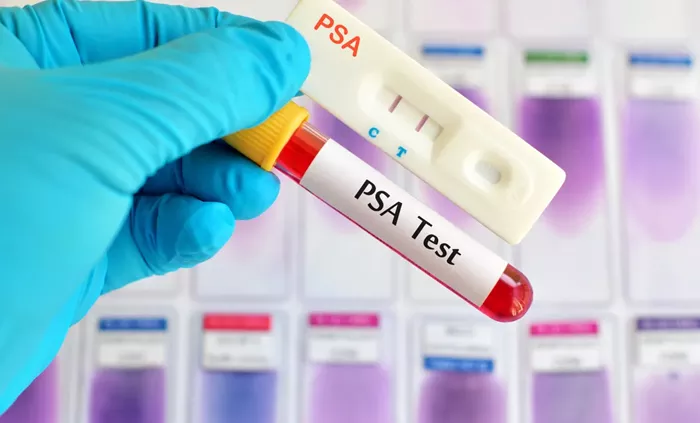
What screening involves. Doctors emphasize regular prostate screenings for men over 50, with early detection improving outcomes. The initial step is a PSA blood test. A PSA level above four typically raises cancer risk, though a four-to-ten result represents about a 30 percent chance of cancer, and a PSA below four does not rule it out entirely. PSA is an imperfect biomarker, and some patients with elevated PSA do not have cancer. If risk is indicated, an MRI is used to refine assessment and determine whether a biopsy is needed. MRI-guided targeting can reduce unnecessary biopsies. If cancer is confirmed, doctors classify its aggressiveness using Gleason grade groups, guiding treatment decisions.
Treatment decisions depend on disease stage. Localized cancer may be managed with monitoring and deferred treatment in select cases, while advanced cancer requires systemic or targeted therapies. Some patients with low-risk disease may live with the cancer with careful follow-up.
In sum, early detection through PSA testing remains a cornerstone of prostate cancer management. Yet barriers persist—cost, awareness, and cultural factors—that delay testing and diagnosis. Health professionals urge men over 50 to discuss PSA testing with their doctors, weighing risks and benefits in light of personal health and family history.
Related topics
