
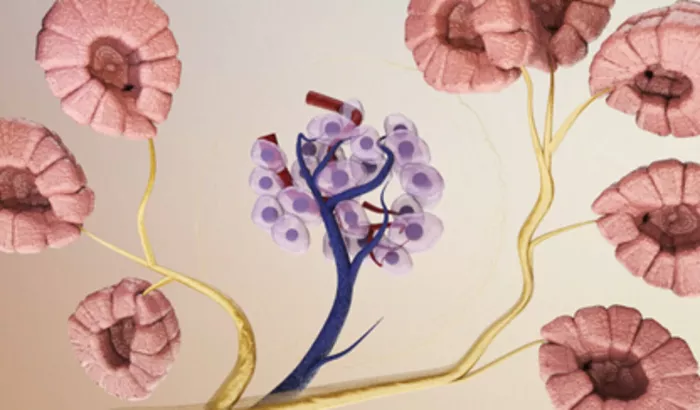
Scientists from Weill Cornell Medicine and Peking University have demonstrated that human stomach cells can be reprogrammed into functional insulin-producing cells, offering a potential new treatment approach for type 1 diabetes.
Published today in Cell Stem Cell Reports, the research builds on previous work showing mouse stomach cells could be converted into pancreatic beta-like cells and now confirms this transformation is possible with human cells. This breakthrough suggests a future where patients’ own stomach tissue could serve as a source of insulin-producing cells, potentially reducing or eliminating the need for external insulin injections.
Methodology and Experimental Design
The research team employed a sophisticated multi-step approach:
Human gastric organoids: Created miniature 3D stomach structures that mimic normal gastric function
Genetic engineering: Introduced a “genetic switch” enabling conversion to insulin-producing cells upon activation
Transplantation: Implanted engineered organoids into mouse abdominal cavities where they survived and matured for up to six months
Functional testing: Activated the genetic switch and monitored cell transformation and insulin production
Key Findings and Therapeutic Efficacy
The study yielded several significant results:
Successful conversion: Human stomach cells transformed into insulin-secreting cells resembling pancreatic beta cells in gene and protein expression
Metabolic function: Reprogrammed cells helped control blood glucose levels in diabetic mice
Long-term viability: Transplanted cells established connections with surrounding tissues and blood systems
Therapeutic effect: Insulin secretion from converted human cells improved diabetic conditions in animal models
Scientific Context and Diabetes Burden
Type 1 diabetes affects approximately 9.5 million people worldwide and results from autoimmune destruction of pancreatic beta cells, which produce insulin. Current treatment requires lifelong blood glucose monitoring and insulin injections.
This research represents a novel approach to beta cell replacement therapy, which aims to restore the body’s natural insulin production capacity. Unlike transplantation of donor cells, this method could use patients’ own cells, potentially avoiding immune rejection issues.
Future Directions and Clinical Translation
“While these results are encouraging, significant additional research is needed to determine whether this approach can be safely and effectively applied to human patients,” cautioned the research team. Future work will focus on:
- Optimizing the conversion efficiency and safety profile
- Developing non-genetic methods for cell reprogramming
- Establishing protocols for in vivo conversion without requiring cell transplantation
- Addressing potential long-term risks and regulatory requirements
Research Significance and Innovation
This study represents a significant advancement in regenerative medicine for diabetes treatment. By demonstrating that human stomach cells can be reprogrammed into functional insulin-producing cells, the research opens new possibilities for autologous cell therapy—using patients’ own cells to treat their condition. The in vivo conversion approach could potentially be less invasive than current beta cell transplantation procedures, which require major surgery and lifelong immunosuppression.
Related topics:
