
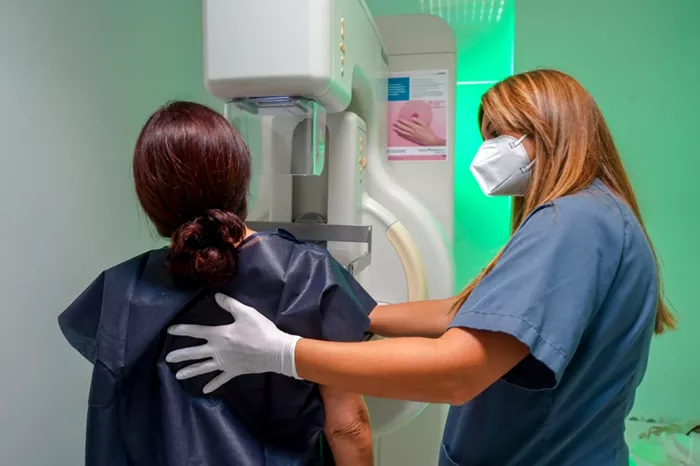
Bone health often remains a low priority until a fracture occurs. Global data indicate rising bone-related issues such as osteoporosis, with substantial impact on women. In India, roughly one in three women over 50 have low bone density, a figure that continues to grow. The bones that support daily function can become a quiet liability, underscoring the importance of early detection and lifestyle measures.
Understanding the pattern of bone loss
Osteoporosis is frequently described as a silent thief that weakens bone strength gradually. As Dr. Vaibhav Bagaria, Director of Orthopaedics at Sir H. N. Reliance Foundation Hospital, emphasizes, bones do not break suddenly; warning signs emerge first. Early indicators may be subtle and easily misattributed to aging or fatigue.
Early warning signals in everyday life
Subtle height reduction or clothes fitting differently can reflect minor, painless spinal fractures.
Persistent back or neck pain, often dismissed as fatigue or posture issues, may indicate weakening vertebrae.
Changes in nails or gums, such as brittleness, can signal mineral deficits affecting bone matrix.
Difficulty performing routine tasks, like opening jars or carrying groceries, could reveal limited bone strength beyond muscle weakness.
Small falls resulting in wrist or ankle fractures should prompt evaluation of bone health.
Why women are more susceptible
Bone density declines more rapidly in women after age 35, and estrogen reduction after menopause accelerates this loss. Contributing factors specific to the Indian context include limited sun exposure, vitamin D deficiency, vegetarian dietary patterns, and infrequent bone health screening. Cultural habits that minimize sun exposure and reduce preventive checkups further increase osteoporosis risk.
Consequences of neglect
Weak bones raise the risk of fractures, particularly in the hip and spine. Hip fractures, in particular, are associated with significant morbidity and loss of independence. Early intervention can mitigate these outcomes and preserve quality of life.
Strategies to protect bone health
Screen appropriately: A DEXA scan is a quick, painless test that provides a clear assessment of bone density and fracture risk.
Ensure adequate calcium and vitamin D: Include calcium-rich foods such as dairy products, leafy greens, and fortified foods, along with vitamin D from sunlight exposure or supplementation when needed.
Maintain an active lifestyle: Regular weight-bearing and resistance activities such as walking, stair climbing, dancing, or yoga strengthen bone and support balance.
Minimize risk factors: Limit caffeine and cola intake and avoid smoking to reduce calcium loss.
Discuss medical options with a clinician: In some cases, pharmacologic therapies such as bisphosphonates or other bone-modifying agents may be appropriate to rebuild bone strength and reduce fracture risk.
Clinical perspective
Bone health requires attention at every life stage, not just after symptoms appear. Prevention hinges on listening to subtle bodily signals and taking timely steps. A proactive approach—screening, nutrition, physical activity, and, when indicated, medical therapy—can forestall serious complications and preserve mobility and independence.
Conclusion
Osteoporosis often manifests as “silent” changes that precede fractures. Recognizing early signs and adopting small, sustainable lifestyle changes can markedly reduce future risk. Consulting a healthcare professional for personalized screening and treatment plans remains essential.
Related topics
