
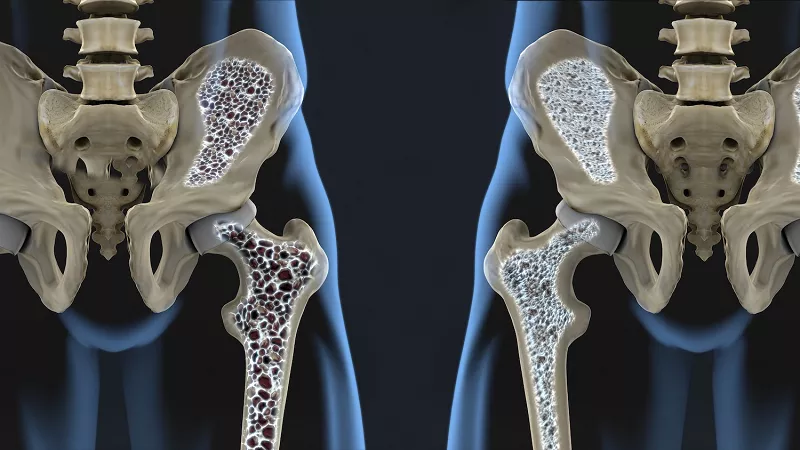
Osteoporosis is a common bone disease that weakens the skeleton, making bones fragile and significantly increasing the risk of a sudden fracture. Often called a “silent disease,” it can progress for years without any symptoms. Many people only discover they have osteoporosis after a minor fall or sudden strain causes a broken bone, most often in the hip, spine, or wrist. These fractures can be life-altering, but the good news is that osteoporosis is both preventable and treatable. Understanding your risk factors and taking proactive steps toward bone health are your best defenses.
Who is at Risk? Key Factors You Need to Know
Several key factors influence your likelihood of developing osteoporosis. The most significant non-modifiable risks include age (bone density peaks around 30 and declines thereafter), gender (women are at higher risk due to menopause), and family history. Race also plays a role, with Caucasian and Asian women facing the highest risk. Modifiable risk factors include a slender body frame, low body weight, and certain medications like long-term steroid use. A previous fracture as an adult is a major red flag, indicating a higher risk for future breaks.
The Menopause Connection: Why Women Are More Vulnerable
For women, the link between menopause and bone health is critical. The hormone estrogen offers a protective effect on bones. As women approach menopause and estrogen levels decline, the rate of bone loss accelerates dramatically. Women who experience early menopause (before age 45) or have irregular periods are at an even greater risk. This makes midlife a crucial time for women to discuss bone density screening with their doctor.
How is Osteoporosis Diagnosed? The Simple Test That Can Help
Diagnosing osteoporosis is straightforward and painless. The gold-standard test is a Bone Mineral Density (BMD) scan, typically done using a DXA (dual-energy X-ray absorptiometry) machine. This low-radiation X-ray measures the density of bones in the hip and spine. The National Osteoporosis Foundation recommends this test for all women over 65 and postmenopausal women under 65 with risk factors. Early diagnosis through screening is key to preventing the first fracture.
Effective Treatment Strategies: From Medication to Lifestyle
If you are diagnosed with osteoporosis, several effective treatments can slow bone loss and even build new bone. First-line treatments often include bisphosphonate medications (like alendronate or risedronate). For those at very high risk, doctors may prescribe bone-building drugs like teriparatide. Importantly, any medication plan should be supported by sufficient calcium (1,000-1,200 mg daily for adults) and vitamin D (600-800 IU daily), which are essential for bone metabolism. Always work with your doctor to find the right treatment plan for you.
Protecting Your Bones: Prevention and Safety Tips
Preventing osteoporosis starts with healthy habits. A diet rich in calcium and vitamin D is fundamental. Engage in regular weight-bearing exercises, such as walking, jogging, or strength training, which stimulate bones to become stronger. For those already living with osteoporosis, fall prevention is critical. Make your home safer by removing tripping hazards, installing grab bars in bathrooms, and ensuring good lighting. Avoiding smoking and limiting alcohol intake are also vital for maintaining strong bones throughout your life.
Related topics:
