
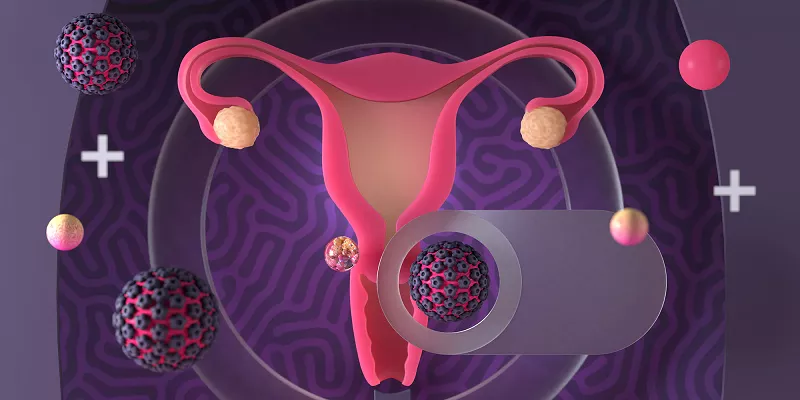
Cervical cancer treatment requires comprehensive planning based on disease characteristics and individual patient factors. Medical professionals develop personalized approaches considering cancer stage, histological type, and patient preferences regarding fertility preservation.
Modern treatment protocols integrate multiple modalities, including surgery, radiation therapy, systemic treatments, and supportive care, to achieve optimal outcomes while maintaining quality of life. The selection process involves detailed discussions between patients and multidisciplinary teams, ensuring alignment with personal values and treatment goals.
Evaluating Surgical Interventions and Their Implications
Surgical approaches form the cornerstone of early-stage cervical cancer management. Conization procedures effectively treat microinvasive cancers while preserving fertility through removal of cone-shaped cervical tissue containing abnormal cells. Radical trachelectomy offers a fertility-sparing option for selected early-stage cases by removing the cervix and upper vagina while retaining the uterine body.
More extensive procedures like radical hysterectomy eliminate the uterus, cervix, parametrial tissues, and upper vagina, addressing locally advanced disease while sacrificing reproductive capability. Pelvic exenteration represents the most radical option for recurrent disease, involving removal of multiple pelvic organs. Surgical decisions balance oncologic efficacy against functional preservation, with increasing emphasis on minimally invasive techniques when appropriate.
Implementing Radiation Therapy Techniques
Radiation therapy plays crucial roles across disease stages, utilizing both external beam and brachytherapy approaches. External beam radiation delivers targeted treatment to pelvic regions over several weeks, while brachytherapy places radioactive sources directly near tumors, maximizing dose to cancer cells while sparing surrounding tissues.
Concurrent chemoradiation significantly improves outcomes for locally advanced disease, acting as a radiosensitizer to enhance tumor cell destruction. Modern techniques like intensity-modulated radiation therapy (IMRT) and image-guided brachytherapy optimize precision, minimizing toxicity to bowel, bladder, and other critical structures.
Utilizing Systemic Treatment Modalities
Chemotherapy regimens typically incorporate platinum-based agents like cisplatin, often combined with other drugs such as paclitaxel for advanced or recurrent disease. Targeted therapies, including bevacizumab inhibitors, disrupt tumor blood supply, while immunotherapy agents like pembrolizumab enhance immune recognition of cancer cells.
Treatment sequencing depends on disease characteristics, with neoadjuvant approaches sometimes used to downstage tumors before definitive therapy. Metastatic disease management focuses on symptom control and survival extension through carefully selected drug combinations.
Addressing Fertility Preservation Considerations
Fertility concerns significantly influence treatment planning for premenopausal patients. Fertility-sparing procedures like conization and radical trachelectomy offer pregnancy potential for carefully selected early-stage cases.
Oocyte or embryo cryopreservation before treatment provides future family-building options through assisted reproduction techniques. Multidisciplinary consultations involving reproductive specialists help patients navigate complex decisions, balancing cancer control against reproductive goals.
Managing Treatment-Related Side Effects
Comprehensive supportive care addresses expected treatment toxicities through proactive interventions. Nutritional support maintains adequate calorie and protein intake during therapy, while antiemetic regimens control chemotherapy-induced nausea.
Skin care protocols manage radiation dermatitis, and specialized vaginal dilators prevent stenosis after pelvic radiation. Psychological support helps patients cope with body image changes and sexual health concerns arising from treatment effects.
Implementing Survivorship Care and Follow-up
Post-treatment surveillance involves regular examinations, imaging studies, and Pap tests to detect recurrence early. Long-term monitoring addresses potential late effects, including lymphatic dysfunction, endocrine changes, and secondary malignancies.
Survivorship care plans document treatment summaries and provide personalized recommendations for ongoing health maintenance, emphasizing lifestyle factors that promote overall wellbeing.
Related topics
