
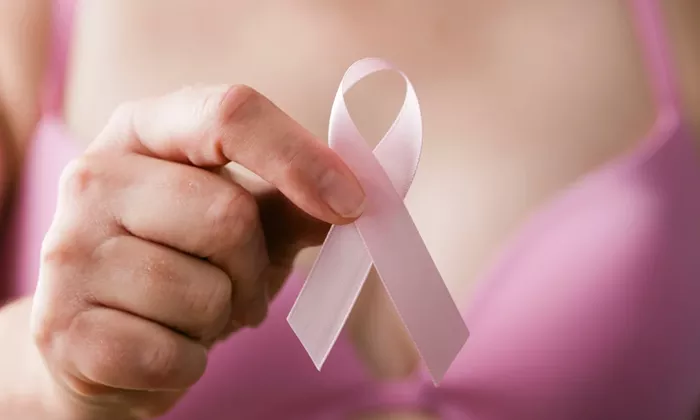
Breast Cancer Awareness Month is observed every October to increase understanding and knowledge about one of the world’s most common cancers. Breast cancer occurs when abnormal cells in the breast grow uncontrollably, forming tumours that can spread to other parts of the body if untreated. Although the disease can be life-threatening, early detection and timely treatment significantly improve survival outcomes.
To better understand the situation in Samoa, insights were gathered from Dr. Mayday Fanueli, a surgical registrar at Tupua Tamasese Meaole Hospital, the country’s main public hospital. She provided an in-depth perspective on the realities faced by Samoan women dealing with breast cancer. Here are five key takeaways from our discussion.
1. Breast Cancer Leads as the Most Common Cancer Among Samoan Women
Breast cancer remains the leading cancer among women in Samoa and worldwide. According to the International Agency for Research on Cancer, it accounts for 35.9% of all cancer cases among Samoan women.
“We see quite a lot of breast masses that confirm breast cancer. Over the past five years, the average is 30 women per year,” explained Dr. Fanueli. “The youngest we’ve seen is 26 years old, and the oldest we’ve operated on is 81.” These figures underline how the disease affects women across all age groups, reinforcing the importance of vigilance and awareness.
2. Late-Stage Diagnoses Complicate Treatment
One of Samoa’s biggest challenges is late diagnosis. Many patients present with the disease already at stage 3 or 4, when it has spread beyond the breast.
“They come in already at stage 3, meaning the mass is more than 5 centimetres, or there are lymph nodes present. Sometimes they come in at stage 4, when it’s already spread to other organs,” said Dr. Fanueli. “This really impacts their chances of recovery and returning to their normal lives.”
She emphasized that earlier detection is critical: “That’s why we urge our women to come in earlier than how they are doing now.”
3. Early Symptoms Can Be Silent — Regular Self-Checks Are Crucial
Breast cancer often begins silently. “It’s a silent disease,” Dr. Fanueli said. “It can appear as a painless lump, or there may be subtle changes in the skin.”
Monthly breast self-examinations help women become familiar with their bodies and detect changes sooner. Warning signs include lumps or thickening in the breast, skin dimpling or redness, changes in size or shape, nipple retraction, or abnormal discharge.
Dr. Fanueli urged: “Every woman in Samoa should do a breast self-exam monthly — during your shower or your period. If you feel a lump or notice any change, please visit the hospital or your doctor.” For post-menopausal women, she recommends choosing a consistent day each month to maintain regular checks.
Currently, Samoa has no formal breast screening programme, and mammography services are unavailable in public hospitals. This makes personal vigilance and early presentation vital.
4. Treatment Exists Locally, With Referrals for Advanced Care
Despite limited resources, treatment for breast cancer is available in Samoa. The care pathway includes medical history, examination, imaging, biopsy, staging scans, counselling, and surgery.
“We perform a triple assessment for any breast issue,” Dr. Fanueli explained. “Once cancer is confirmed, we order a CT scan for staging and conduct family counselling on treatment options.”
Surgery and hormonal therapy are accessible locally, while patients requiring radiotherapy or chemotherapy are referred overseas. For advanced cases, the Samoa Cancer Society supports patients through palliative care services.
5. Hope Lies in Early Action and Education
About half of all breast cancers occur in women with no identifiable risk factors other than being female and over 40. However, lifestyle choices such as maintaining a healthy weight, staying active, and avoiding alcohol and tobacco can reduce risks.
Dr. Fanueli highlighted that fear is a major barrier: “People think that if you have cancer, it’s a death sentence. But studies show that cancer can have a much better prognosis if found early.”
Her message is clear — awareness and education save lives. “We must teach our women not to fear cancer. Knowing early means something can be done early,” she added.
Conclusion
Breast cancer remains a critical health issue in Samoa, but through awareness, education, and timely medical care, outcomes can greatly improve. Women are encouraged to perform regular self-checks, report symptoms early, and support community efforts to promote breast health. Every early diagnosis represents not just a case caught in time — but a life potentially saved.
Related topics
