
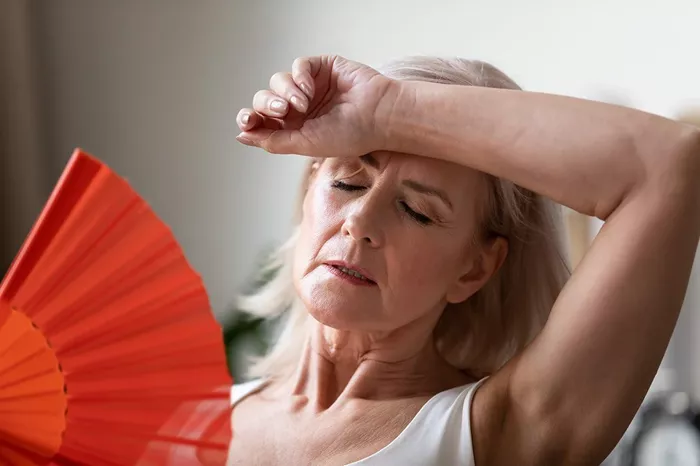
Menopause marks a natural phase in a woman’s life when the ovaries reduce estrogen production, leading to the end of menstrual cycles. For most women, this transition occurs between ages 42 and 58, though certain medical treatments or surgeries can bring it on earlier.
Falling estrogen levels can cause several physical and emotional changes. About 75% of women experience vasomotor symptoms—commonly hot flashes or night sweats—that may disrupt daily life and sleep patterns. These sudden heat sensations, often followed by chills, are among the most characteristic signs of menopause.
Common Symptoms of Menopause
- Sleep disturbances: Difficulty falling or staying asleep, and issues such as sleep apnea.
- Mood changes: Emotional swings, anxiety, and even clinical depression requiring medical attention.
- Sexual health challenges: Vaginal dryness, painful intercourse, and reduced libido.
- Urogenital concerns: Bladder control problems linked to vaginal tissue thinning.
- Weight redistribution: Fat tends to accumulate around the abdomen as estrogen levels decline.
Dr. Vanita Rahman, clinic director at the Barnard Medical Center in Washington, D.C., emphasizes that menopause occurs alongside various life pressures—career, family, and aging—which may blur the line between hormonal and lifestyle-related changes. She recommends seeking clinical evaluation for an accurate understanding of symptoms before exploring treatment.
Lifestyle Medicine as a First-Line Approach
In September 2025, the International Menopause Society highlighted that lifestyle strategies—nutrition, exercise, stress management, and quality sleep—can substantially alleviate menopausal symptoms. These findings align with the growing medical recognition that lifestyle medicine can be an effective, non-pharmaceutical first step in menopause care.
Dietary Approaches: The Power of Plants
A landmark study known as the Women’s Study for the Alleviation of Vasomotor Symptoms, published by the North American Menopause Society in Menopause journal (2021–2022), investigated how plant-based diets influence menopause symptoms.
Led by Dr. Neal Barnard, the study followed postmenopausal women who experienced at least two daily moderate-to-severe hot flashes. Participants were divided into two groups: one followed a low-fat vegan diet including half a cup of cooked soybeans daily, while the control group made no dietary changes.
Key Findings from the Study
- Moderate-to-severe hot flashes decreased by 88% in the intervention group—more than double the control group’s reduction.
- Half of the women in the intervention group experienced no moderate-to-severe hot flashes by week 12.
- Total hot flashes dropped by 78% in the plant-based group, compared to 39% in controls.
- The soy-based diet group lost an average of 8 pounds, while the control group lost less than one.
Role of Phytoestrogens and Low-Fat Eating
Phytoestrogens—plant compounds that mimic estrogen—appear to play a role in symptom relief. These are found in soybeans, flaxseeds, peanuts, and whole grains. Dr. Rahman explains that lowering fat intake enhances these benefits: “When we reintroduce high-fat foods, some women report their hot flashes return,” she notes.
Indeed, the study found that reduced dietary fat directly correlated with fewer and milder hot flashes.
Supporting Evidence from Broader Research
Other studies reinforce these findings:
- A 2022 study linked higher vegetable consumption to milder vasomotor symptoms.
- A 2013 study of over 6,000 women showed that fruit-rich and Mediterranean-style diets cut hot flashes and night sweats by 20%.
Plant-based diets not only ease menopause symptoms but also reduce risks of obesity, diabetes, hypertension, and heart disease—conditions that often emerge during this life stage. Furthermore, they may lower risks of certain cancers, underscoring their value for long-term health.
What to Avoid: Foods That Can Intensify Symptoms
Dietary patterns high in saturated fat, refined carbohydrates, and added sugars have been associated with worse menopause symptoms.
A 2018 Menopause study confirmed that women consuming such diets experienced more frequent and intense hot flashes. Similarly, a 2013 study in The American Journal of Clinical Nutrition* linked sugary and fatty foods to heightened vasomotor symptoms.
Additionally, ultra-processed foods and sugary beverages may worsen sleep disturbances and cardiovascular risks in menopausal women.
Interestingly, research suggests that high red meat consumption may accelerate menopause onset, while plant proteins—such as tofu, cereals, and nuts—are associated with later onset.
Exercise: A Critical Ally in Menopause Health
Although exercise doesn’t directly eliminate hot flashes, it helps address many related challenges, including weight gain, poor sleep, and mood instability.
Declining estrogen levels often cause fat to accumulate around the abdomen, increasing the risk of metabolic syndrome. A 2023 randomized clinical trial published in Maturitas found that resistance training reduced abdominal fat and improved insulin sensitivity in postmenopausal women.
An earlier 2012 Maturitas study showed that aerobic exercise improved sleep quality and reduced insomnia.
Mental well-being also benefits from physical activity. A meta-analysis published in January 2025 revealed that exercise reduced depressive symptoms by 34% in menopausal women, with aerobic exercise offering the strongest effects. Regular movement also strengthens bones and reduces fracture risk later in life.
Conclusion
Lifestyle medicine—anchored in a low-fat, plant-based diet and consistent physical activity—offers a safe and effective pathway to manage menopause symptoms while improving overall health.
Women experiencing severe symptoms should still consult healthcare providers to explore individualized medical options.
Adopting mindful nutrition and active living not only enhances daily comfort but also fosters resilience and vitality through every stage of menopause.
Related topics
