
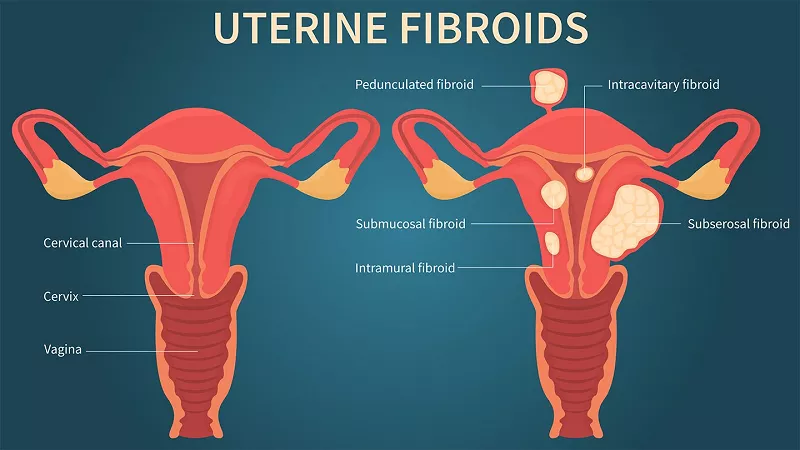
Uterine fibroids represent noncancerous growths that develop within the uterine wall, medically termed leiomyomas. These common tumors consist of smooth muscle cells and fibrous connective tissue, appearing in various sizes and quantities throughout the uterus. While many women remain asymptomatic, others experience significant symptoms, including heavy menstrual bleeding, pelvic pressure, pain, and reproductive challenges.
Fibroids typically emerge during reproductive years, with hormonal influences, particularly estrogen and progesterone, playing crucial roles in their development and growth patterns. The condition affects a substantial proportion of women, with prevalence increasing with age until menopause, when fibroids often naturally regress due to declining hormone levels.
Evaluating Pharmacological Management Options
Medication approaches for fibroid management focus on symptom control and size reduction. Hormonal therapies, including combination oral contraceptives, progestin-releasing intrauterine devices, and gonadotropin-releasing hormone agonists, work by altering hormonal environments to shrink fibroids and reduce bleeding.
Non-hormonal alternatives, such as nonsteroidal anti-inflammatory drugs, effectively manage pain, while antifibrinolytic medications like tranexamic acid specifically target heavy menstrual bleeding. The choice between these options depends on individual symptom profiles, treatment goals, and consideration of potential side effects, with many patients requiring combination approaches for optimal symptom control.
Exploring Non-Surgical Interventional Procedures
Minimally invasive procedures offer effective alternatives to traditional surgery. Uterine artery embolization involves injecting particles into arteries supplying fibroids, causing them to shrink by cutting off blood flow. MRI-guided focused ultrasound uses targeted sound waves to thermally destroy fibroid tissue without incisions. Endometrial ablation procedures destroy the uterine lining to reduce heavy bleeding
while newer techniques like radiofrequency ablation utilize heat energy for precise fibroid destruction. These approaches typically involve shorter recovery times than surgical options but may not be suitable for all fibroid types or women pursuing future pregnancy.
Considering Uterine-Preserving Surgical Options
Myomectomy procedures surgically remove fibroids while preserving the uterus, making them ideal for women desiring future fertility. Surgical approaches vary based on fibroid characteristics, including hysteroscopic resection for submucosal fibroids, laparoscopic myomectomy for smaller growths, and abdominal myomectomy for large or multiple fibroids.
While effectively addressing symptoms and preserving reproductive potential, these procedures carry risks, including blood loss and potential fibroid recurrence. The decision between techniques involves careful consideration of fibroid location, size, and number, alongside surgical expertise and patient preferences.
Understanding Hysterectomy as Definitive Treatment
Hysterectomy, involving complete uterus removal, remains the only permanent solution for fibroids, eliminating both current symptoms and recurrence possibility. This approach typically recommends for women with severe symptoms who have completed childbearing or when other treatments prove ineffective.
Surgical methods include vaginal, laparoscopic, or abdominal approaches, with selection depending on uterine size and surgeon expertise. While offering definitive relief, hysterectomy carries significant implications, including permanent infertility and potential hormonal changes if ovaries are removed, requiring thorough discussion of benefits and limitations.
Implementing Lifestyle Modifications and Complementary Approaches
Complementary strategies can help manage symptoms and potentially slow fibroid growth. Dietary emphasis on fruits, vegetables, whole grains, and lean proteins while limiting red meat, alcohol, and high-glycemic foods may create less favorable conditions for fibroid development.
Regular physical activity helps regulate hormone levels and reduce inflammation, while stress management techniques address cortisol imbalances that may influence fibroid growth. Though not replacing medical treatments, these approaches contribute to overall symptom management and health optimization.
Developing Personalized Treatment Plans
Effective fibroid management requires individualized planning incorporating multiple factors. Symptom severity significantly influences treatment intensity, while reproductive plans dictate uterus-preserving approaches. Fibroid characteristics, including size, number, and location, determine suitable procedural options.
Patient preferences regarding intervention level and risk tolerance guide final decisions. Collaborative decision-making between patients and providers ensures alignment with personal values and lifestyle considerations, with many women combining multiple approaches over time as needs evolve.
Related topics:
