
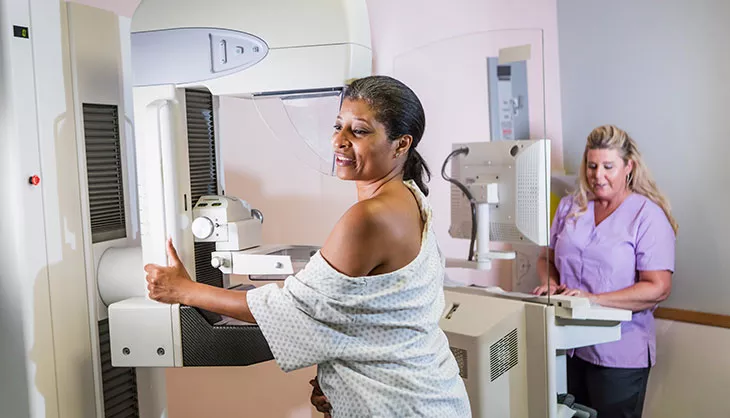
Breast cancer screening represents a vital component of women’s healthcare, with significant implications for survival rates and treatment outcomes. According to current medical data, breast cancer remains the second leading cause of cancer-related deaths among women in the United States, with approximately 42,250 women dying from the disease annually.
However, when detected at an early, localized stage, the five-year survival rate reaches an impressive 98 percent, highlighting the life-saving potential of regular screening mammograms. The Affordable Care Act recognizes this importance by mandating that all qualified health plans cover breast cancer screening and counseling without cost-sharing requirements, making these essential services accessible to millions of women across the nation.
Navigating Insurance Coverage and Guidelines for Mammography Services
Under current healthcare regulations, women aged 40 and older qualify for screening mammograms every one to two years without out-of-pocket expenses, depending on their specific insurance plan benefits. It’s crucial to understand that this coverage applies specifically to screening mammograms for asymptomatic women, meaning those without noticeable symptoms like lumps or pain.
Diagnostic mammograms, which occur when symptoms are present or when abnormalities are detected during screening, require different cost-sharing arrangements, typically involving deductibles, copayments, or coinsurance. Additionally, while traditional 2D mammography is fully covered, advanced 3D mammography (tomosynthesis) may involve additional charges unless medically necessary and approved by the insurance provider.
Accessing Genetic Counseling and Testing for High-Risk Individuals
Women with significant risk factors for breast cancer, including family history, may qualify for genetic counseling and potentially genetic testing under their insurance coverage without cost-sharing. This service focuses on identifying mutations in BRCA1 and BRCA2 genes, which substantially increase lifetime breast cancer risk to between 50 and 85 percent.
The process begins with comprehensive genetic counseling, where healthcare professionals assess family history and discuss potential risks and benefits of genetic testing. If appropriate, genetic testing follows, with coverage extending to the assessment of specific gene mutations known to increase breast cancer susceptibility. This proactive approach enables high-risk women to make informed decisions about preventive strategies and enhanced screening protocols.
Exploring Chemoprevention Options and Risk Reduction Strategies
For women identified as high-risk for developing breast cancer, the Affordable Care Act covers preventive counseling regarding chemoprevention options without cost-sharing. Chemoprevention involves using medications such as selective estrogen receptor modulators (SERMs) or aromatase inhibitors to reduce breast cancer risk by blocking estrogen effects that can promote cancer growth.
While the counseling session itself is covered, any prescribed medications and associated medical appointments are subject to standard insurance cost-sharing arrangements, including deductibles and copayments. Additionally, women can access counseling focused on modifying lifestyle factors that influence breast cancer risk, such as maintaining healthy weight, limiting alcohol consumption, and adopting balanced nutritional practices.
Understanding Variations in Coverage Across Different Insurance Types
Insurance coverage for breast cancer screening demonstrates significant variation depending on the specific health plan type. Qualified health plans created after the Affordable Care Act implementation must provide coverage without cost-sharing, while grandfathered plans (existing before March 23, 2010, without substantial changes) may exempt themselves from this requirement.
Short-term health plans covering periods less than four months similarly don’t mandate free screening services. Medicaid expansion programs provide comprehensive breast cancer screening without cost-sharing, though traditional Medicaid programs may require minimal copayments that vary by state. Additionally, the National Breast and Cervical Cancer Early Detection Program (NBCCEDP) offers free screening services to low-income, uninsured, and underinsured women who meet specific eligibility criteria based on income and age.
Utilizing Public Health Programs for Underserved Populations
The Centers for Disease Control and Prevention administers the National Breast and Cervical Cancer Early Detection Program to provide critical screening services to medically underserved populations. Eligibility generally requires being uninsured or underinsured with income at or below 250 percent of the federal poverty level. For 2024, this translates to approximately
Beyond screening services, this program facilitates access to treatment through Medicaid coverage for women diagnosed with breast cancer. Individuals can contact their state health department or call CDC INFO at 800-232-4636 to determine eligibility and locate participating healthcare providers in their area, ensuring comprehensive care regardless of insurance status or financial resources.
Related topics:
