
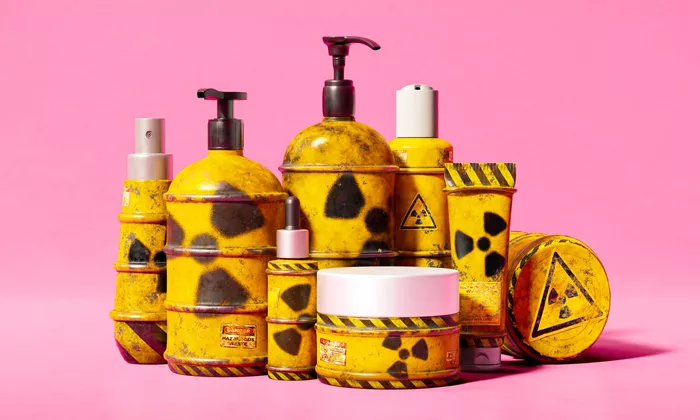
A recent study found that over half of Black and Latina women in Los Angeles use personal care products containing formaldehyde, a chemical linked to cancer. The researchers discovered it in everyday items such as face creams, lotions, and soaps.
Formaldehyde is a colorless gas that’s often used to prevent bacteria from growing in products. Although it occurs naturally in small amounts in living things, added exposure through products can pose serious health risks. Breathing it in or absorbing it through the skin can cause burning eyes, coughing, and potentially raise the risk of asthma and certain cancers.
California and Maryland have banned formaldehyde in cosmetics, but most U.S. states still allow it. In contrast, the European Union prohibits its use in beauty products.
Why the Study Was Conducted
The study was led by Dr. Robin Dodson from the Silent Spring Institute, a Massachusetts-based research group that focuses on chemical exposures. Researchers wanted to understand how often women of color are exposed to toxic chemicals through products they use daily—not just hair straighteners, but lotions and facial cleansers too.
The research was part of a broader effort called the Taking Stock Study, which examines how chemical exposure may be contributing to health problems in communities of color.
What the Researchers Found
Seventy Black and Latina women living in South Los Angeles took part in the study. Over one week, they recorded all the beauty and personal care products they used—more than 1,100 in total.
While only 4% of those products contained formaldehyde or chemicals that release it, more than half the women (53%) used at least one of those products during the study week.
Among the worst offenders:
Lotions: 20% contained formaldehyde-releasing chemicals, mostly from the brand Bath & Body Works.
Skincare and Hair Products: Nearly half of skin care and 58% of hair care items with formaldehyde used a chemical called DMDM hydantoin.
Other harmful preservatives included diazolidinyl urea and imidazolidinyl urea.
Many of these products were used multiple times a day, increasing the risk of harmful exposure.
Why It Matters
Formaldehyde is classified as a “known human carcinogen” by the U.S. National Toxicology Program. Long-term exposure has been linked to nasal cancers and blood cancers like myeloid leukemia. Experts stress that how much and how often someone is exposed plays a big role in how dangerous it is.
Even though formaldehyde may not be the only harmful chemical in these products, it contributes to a “chemical burden” that can add up over time—especially for people who use multiple products each day.
Are There Safer Options?
Yes. Some preservatives are considered safer and are commonly used in clean beauty products. Experts at Rutgers University recommend looking for:
- Propylene glycol
- Caprylyl glycol
- Sorbitan caprylate
These ingredients are seen as less harmful by organizations like the Environmental Working Group (EWG).
How to Avoid Formaldehyde in Your Products
Because U.S. federal agencies have been slow to ban formaldehyde in personal care items, experts say it’s mostly up to consumers to protect themselves. Here are some ways to do that:
1. Read Ingredient Lists
Look for chemical names linked to formaldehyde:
- Words ending in “-dehyde”
- DMDM hydantoin (Glydant)
- Diazolidinyl urea
- Imidazolidinyl urea
- Quaternium-15
- Sodium hydroxymethylglycinate
- Methylene glycol
- Formol
- Paraform
2. Use Product Scanner Apps
Apps like Detox Me, Clearya, and EWG’s Healthy Living help you check if a product contains harmful ingredients.
3. Replace Products Slowly
Don’t panic and throw everything out. Experts recommend replacing products as they run out with safer alternatives. Focus first on items you use daily or that stay on your skin, such as lotions, creams, and makeup.
Conclusion
Formaldehyde is a hidden hazard in many everyday products, especially those marketed to Black and Latina women. Though exposure from a single item may be low, frequent use across multiple products can increase health risks over time. Until federal rules catch up, being an informed shopper is the best way to protect yourself.
Read more:
