
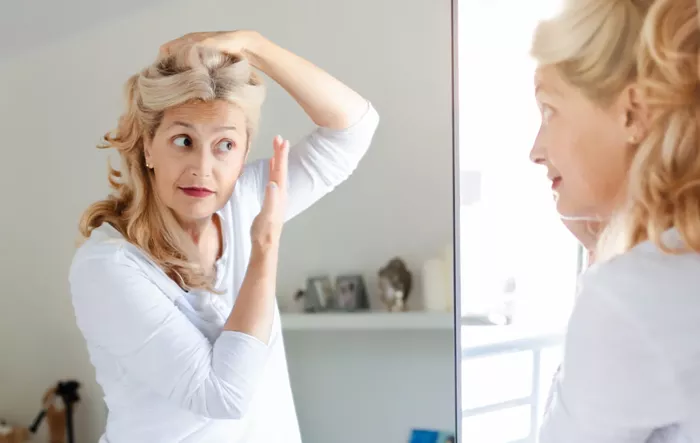
Menopause is a natural phase in every woman’s life, marking the end of her reproductive years. It brings many changes in the body, including hormone shifts that can affect the skin, mood, and hair. Hair loss during menopause is common and can feel distressing. This article explains why menopause causes hair loss and offers simple ways to prevent and treat it. Understanding these changes will help women feel more in control and confident as they navigate this stage of life.
1. Why Does Menopause Cause Hair Loss?
Hormonal Changes During Menopause
Menopause leads to a drop in estrogen and progesterone levels. These hormones help keep hair healthy and growing. When they decrease, hair growth slows, and hair becomes thinner. At the same time, the level of androgens (male hormones) may rise, which can shrink hair follicles and cause hair to fall out.
Impact of Stress and Lifestyle
Menopause can be stressful, and stress itself can trigger hair loss. Poor sleep, anxiety, and changes in diet or activity can also affect hair health. All these factors together can worsen hair thinning during menopause.
2. Signs and Types of Hair Loss in Menopause
Thinning Hair on the Scalp
Many women notice hair thinning on the top and crown of the head. Hair may seem less dense, and more scalp might show through.
Widening Hair Part
The hair part may widen over time as hair becomes finer. This is a typical sign of menopausal hair loss.
Increased Hair Shedding
It’s normal to lose 50 to 100 hairs a day, but during menopause, shedding may increase. This makes hair look thinner and less full.
3. How to Prevent Hair Loss During Menopause
Maintain a Balanced Diet
Eating foods rich in protein, vitamins, and minerals supports healthy hair. Focus on fresh fruits, vegetables, nuts, seeds, and lean meats. Iron, vitamin D, and B vitamins are especially important.
Manage Stress
Practice relaxation techniques like meditation, yoga, or deep breathing. Regular physical activity helps reduce stress and improves circulation to the scalp.
Avoid Harsh Hair Treatments
Limit the use of chemical dyes, heat styling tools, and tight hairstyles that pull on hair. These can damage hair and worsen hair loss.
Use Gentle Hair Care Products
Choose shampoos and conditioners that are gentle and designed for thinning hair. Look for ingredients like biotin, keratin, or caffeine that may strengthen hair.
4. Effective Treatments for Menopausal Hair Loss
Topical Minoxidil
Minoxidil is an FDA-approved treatment that helps stimulate hair growth. It’s applied directly to the scalp and can slow hair loss and promote new hair growth in many women.
Hormone Replacement Therapy (HRT)
HRT can help balance hormone levels, sometimes improving hair thickness. However, it’s not suitable for everyone and should be discussed with a doctor.
Nutritional Supplements
Supplements containing biotin, vitamin D, zinc, and iron can support hair health. Choose products suited for women’s needs and consult a healthcare professional before starting any supplement.
Low-Level Laser Therapy
Laser devices can stimulate hair follicles and improve hair growth. This treatment is painless and can be done at home or in a clinic.
5. Lifestyle Tips to Support Hair Health
Stay Hydrated
Drinking plenty of water helps keep hair and scalp healthy.
Get Enough Sleep
Sleep is vital for body repair and hair growth. Aim for 7–8 hours of quality sleep each night.
Avoid Smoking and Limit Alcohol
Smoking reduces blood flow to hair follicles, and excess alcohol can dehydrate the body. Both can harm hair health.
6. Frequently Asked Questions (FAQs)
How much calcium do women of different ages need?
Calcium needs vary with age. Women aged 19-50 need about 1,000 mg daily. After 50, the need increases to 1,200 mg daily to support bone health, which is important during and after menopause.
Can calcium supplements help with hair loss?
Calcium mainly supports bone health but is essential for overall well-being. While calcium alone doesn’t prevent hair loss, a balanced intake of all vitamins and minerals, including calcium, helps maintain healthy hair.
What natural ingredients in calcium tablets benefit women during menopause?
Many calcium supplements include vitamin D, magnesium, zinc, and sometimes herbal extracts like black cohosh or red clover. These ingredients support bone, hormone, and overall health during menopause.
How to choose a calcium supplement suitable for different groups?
Look for supplements tailored to your age and health needs. Check for natural ingredients, ease of swallowing (tablet size or chewable), price, and positive user reviews. Always consult a doctor if you have health conditions.
Are there any side effects of calcium tablets?
Calcium supplements are generally safe but can cause constipation or upset stomach in some people. Taking them with food and drinking plenty of water can help. Avoid excessive doses to prevent kidney problems.
Conclusion
Hair loss during menopause is common but manageable. Understanding the hormonal changes and their effects helps you take proactive steps to keep your hair healthy. Eating well, managing stress, choosing gentle hair care, and considering medical treatments can make a big difference. Remember, you are not alone, and many women experience similar changes. With care and patience, you can maintain your confidence and enjoy healthy hair through this important stage of life.
Related topics:
