
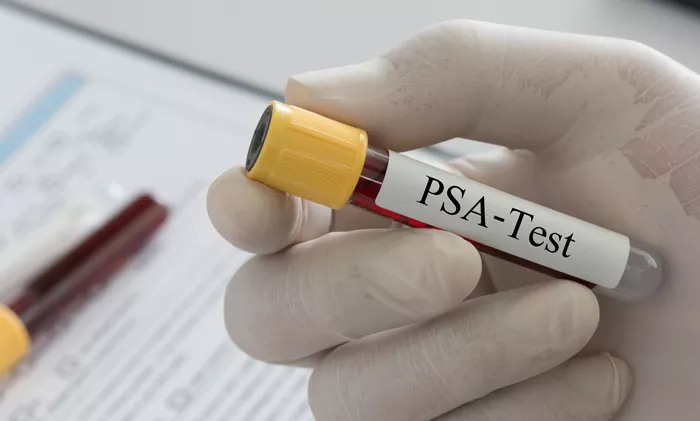
Primary care physicians across the UK continue to face uncertainty over how to best use the prostate-specific antigen (PSA) test for detecting prostate cancer, especially in high-risk groups, healthcare experts highlighted at the Royal College of General Practitioners (RCGP) Annual Conference 2025.
Conflicting and incomplete guidance leaves many doctors unsure about testing intervals, PSA thresholds, and referral strategies, particularly for Black men, men with family histories, or BRCA2 mutations.
Dr. Sam Merriel, NHS GP and University of Manchester clinical senior lecturer, noted that there is no consensus among GPs on the value of PSA testing. A live poll during his presentation showed a 50-50 split on whether PSA is an effective tool for identifying clinically significant prostate cancer.
His recent research published in the British Journal of General Practice revealed significant regional disparities in PSA test usage—higher testing rates in southern England contrasted with fewer tests and later diagnoses in the north. This inconsistency perpetuates inequalities in prostate cancer outcomes.
Despite government targets aiming for early diagnosis in 75% of cases, current figures remain near 50%, falling short of ambitions for earlier detection. Matthew Hobbs, director of research at Prostate Cancer UK, explained that ambiguous testing thresholds contribute both to underdiagnosis of deadly cancers and overdiagnosis of indolent tumors. Without definitive evidence, he said, decisions about PSA testing are left largely to individual clinicians and patients.
To address these knowledge gaps, the £42 million TRANSFORM trial launched in 2024 aims to clarify optimal screening protocols. This large-scale study will test multiple diagnostic pathways—including advanced imaging and genetic markers—in up to 300,000 men, tracking outcomes over many years.
Faster, more affordable 12-minute MRI scans are also under evaluation as possible frontline screening tools. Researchers hope this trial will deliver clear, evidence-based guidance on when and how often to test, particularly for men at elevated risk.
Meanwhile, the UK National Screening Committee is reviewing new evidence and models of benefit versus harm, with public consultation expected between November 2025 and March 2026. Potential recommendations include maintaining current guidelines, instituting national screening by age, or targeting screening to high-risk groups such as Black men and those with cancer-linked gene mutations.
Experts stressed the need for practical advice to support GPs in identifying and managing high-risk patients. Simple screening questions exist, but clear pathways for reassurance and treatment are lacking. Socioeconomic disparities further complicate PSA uptake, as better-informed men are more likely to be tested early but also risk overdiagnosis, while less engaged populations face delayed diagnosis.
Prostate Cancer UK advocates for updated, proactive guidelines empowering GPs to initiate conversations and screening with high-risk men. As Dr. Merriel summarized, “Clear, consistent guidance is essential so that GPs can confidently and effectively act to improve outcomes.”
