
A recent Oxford University study has raised concerns about “over-testing” for prostate cancer among affluent white men in southern England, spurred partly by celebrity-driven awareness campaigns.
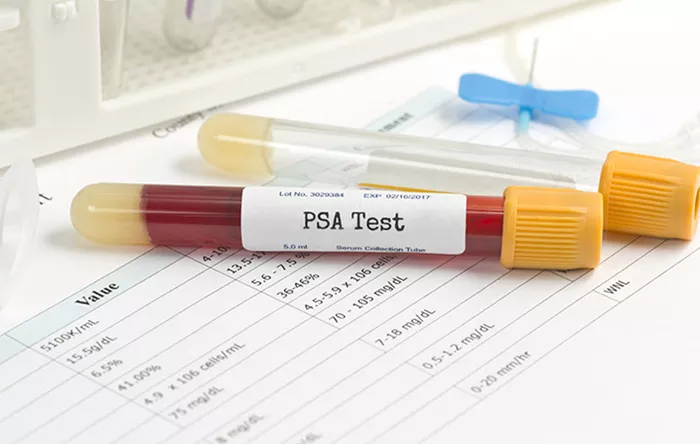
Researchers warn that excessive reliance on the prostate-specific antigen (PSA) test — a key diagnostic tool for prostate cancer — may lead to unnecessary treatments, patient harm, and increased financial strain on the National Health Service (NHS).
However, for many families, delayed or denied access to PSA testing has proven fatal. One widow, speaking about her late husband, Jeremy Clarke, believes early testing could have saved his life. Clarke was diagnosed at age 56, only after he suddenly lost the ability to urinate.
His PSA level was 38 — nearly ten times the normal threshold — and by then, the cancer had spread to his lymph nodes, eliminating the option for surgery. His younger brother, also denied early testing despite family history, was later diagnosed with advanced-stage cancer at 47, with a PSA of 90. He succumbed to the disease nine years later.
These personal stories underline the delicate balance between preventing over-testing and ensuring early detection for those at higher risk. Current NHS guidelines recommend targeted screening — particularly for men over 50, Black men, and those with a family history of prostate cancer — rather than universal PSA testing.
Critics argue that blaming celebrities for raising awareness misses the point. “Men aren’t performing radical prostatectomies on themselves,” one commentator observed. The real issue lies in how the medical community interprets and acts upon PSA results. A PSA blood test, available privately for around £79, remains accessible, but its interpretation requires clinical judgment and context.
Before 2015, men in their 50s and 60s with PSA readings above four were frequently rushed into radical surgery, sometimes resulting in life-altering side effects such as impotence or incontinence. Medical practice has since evolved: patients with borderline PSA levels now undergo active surveillance, including regular scans, biopsies, and monitoring — reducing unnecessary interventions while keeping aggressive cancers in check.
Health Advice
Know your risk: Men over 50, or younger with family history or African/Caribbean ancestry, should discuss PSA testing with their GP.
Monitor trends, not just numbers: A single high PSA doesn’t confirm cancer, but a rising trend can indicate a need for further evaluation.
Lifestyle matters: Regular exercise, a balanced diet rich in vegetables and omega-3s, and limiting red meat can reduce prostate cancer risk.
Stay informed: Ask about “active surveillance” if your PSA is borderline — aggressive treatment isn’t always necessary.
In short, while awareness campaigns have encouraged important conversations about men’s health, experts emphasize a measured, data-driven approach. The goal is not to test less, but to test smarter — ensuring that the PSA test remains a tool for saving lives, not causing harm.
