
A breast pump flange, also commonly referred to as a breast shield, is a fundamental component of any breast pump system. This funnel-shaped piece fits directly over the breast and surrounds the nipple and areola. Its primary function is to create a seal that allows the pump to use suction to express milk effectively, mimicking a baby’s nursing action.
The correct flange size is paramount for comfort and efficiency, as an ill-fitting flange can lead to pain, nipple damage, and incomplete milk ejection, which can subsequently impact milk supply. To determine the correct size, you should measure the diameter of the base of your nipple (excluding the areola) before pumping when the nipple is in a natural state.
The measurement in millimeters is not the final flange size; typically, you should add 1-3 mm to this measurement for optimal comfort and milk flow. A proper fit ensures the nipple moves freely within the tunnel without pulling in areolar tissue and causes no pain during or after pumping.
Identifying Problems and Health Risks from Incorrect Flange Fit
Using a breast pump with an incorrectly sized flange can lead to a range of issues that affect both comfort and breast health. If the flange is too small, it can compress the nipple, causing friction, pain, blanching of the nipple, and restricted milk flow.
Conversely, a flange that is too large can draw too much of the areola into the tunnel, leading to soreness, swelling, and inefficient milk removal. In both cases, incomplete drainage of the breast is a significant risk, which can signal the body to reduce milk production and increase the likelihood of painful complications such as clogged ducts and mastitis.
Mastitis is a serious inflammatory condition, often with infection, characterized by breast pain, swelling, warmth, redness, and flu-like symptoms including fever. Seeking prompt medical attention for suspected mastitis is crucial, as antibiotics may be required.
An Overview of Different Types of Breast Pumps Available
The market offers several types of breast pumps, each designed to suit different lifestyles and needs. Understanding the categories helps in making an informed choice. Manual pumps are operated by hand and are portable, quiet, and inexpensive, but can be tiring for frequent use.
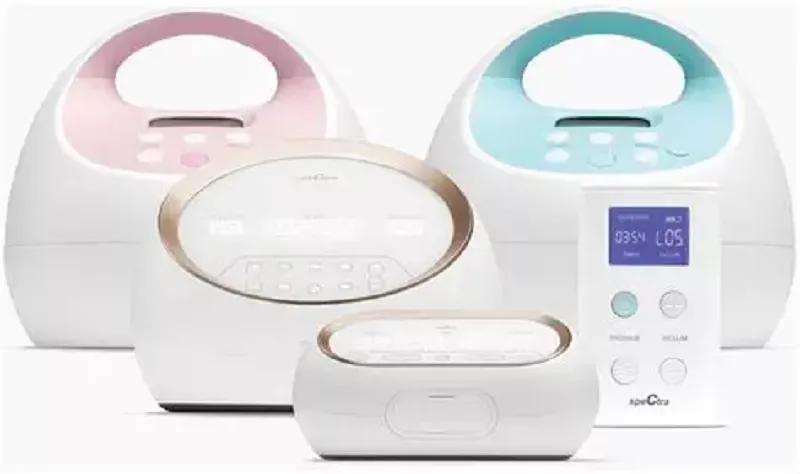
Battery or electric-powered pumps offer more power and convenience, with settings to control suction strength and rhythm; many feature a let-down mode to stimulate milk flow. Hands-free or wearable pumps are innovative designs that fit inside a bra, allowing for discreet pumping while mobile.
Hospital-grade pumps are the most powerful and efficient, typically available for rental; they feature a closed system that prevents milk from entering the tubing, making them hygienic for multiple users with new personal accessory kits.
Key Considerations for Selecting the Right Breast Pump
Choosing the best breast pump involves evaluating your specific circumstances and requirements. Key questions to consider include how often you plan to pump, your need for portability, the ease of use and cleaning, noise level, and budget.
For mothers who will be pumping exclusively or returning to work full-time, a high-quality double electric pump is often the most efficient option. Those who pump occasionally may find a manual or single electric pump sufficient.
Consulting with a lactation consultant can provide personalized advice based on your breast shape and pumping goals. Additionally, check with your health insurance provider, as many plans are required to cover the cost of a breast pump, either through a provided model or reimbursement.
Navigating Insurance Coverage and Affordable Access Options
Under the Affordable Care Act in the United States, most health insurance plans are required to cover the cost of a breast pump.
It is essential to contact your insurance provider to understand the specifics of your coverage, including whether you are eligible for a manual or electric pump, if it will be new or rented, the process for obtaining it, and any required documentation from a doctor.
If you are uninsured or underinsured, alternative resources may be available through state programs like WIC (Women, Infants, and Children), local hospitals, or community health centers. It is strongly advised to avoid purchasing used pumps due to potential hygiene issues and the inability to guarantee the pump’s motor integrity and safety.
Weighing the Advantages and Disadvantages of Pumping Breast Milk
Utilizing a breast pump offers significant flexibility for breastfeeding mothers. Key advantages include the ability to share feeding responsibilities with partners or caregivers, which can provide the mother with much-needed rest and allow others to bond with the baby.
It enables mothers to return to work or manage other commitments while continuing to provide breast milk. Pumping can also help maintain or increase milk supply and allows for the creation of a freezer stash for future use. However, there are drawbacks to consider. Pumping requires time, effort, and access to cleaning facilities.
Some mothers find the process uncomfortable or stressful. Storing and handling expressed milk requires diligence to ensure safety and freshness. Furthermore, while pumped milk is nutritionally superior to formula, it may not provide the same dynamic immune benefits as direct breastfeeding, which tailors its composition to the baby’s immediate needs.
Related topics:
