
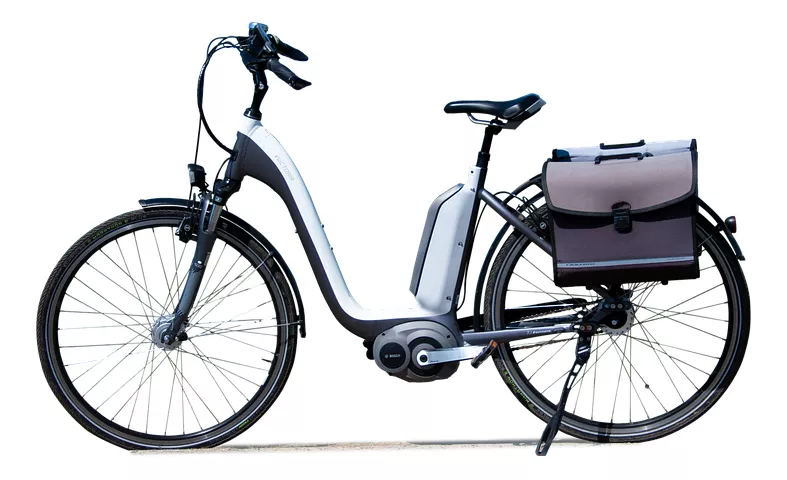
Before embarking on the journey to purchase a bicycle, it is essential to conduct a thorough self-assessment of your specific needs and objectives. This initial step will serve as a foundation for making an informed decision that aligns with your lifestyle.
Begin by asking fundamental questions about your primary motivation for buying a bike, your current fitness level, and the typical terrain you plan to navigate. Consider whether you will use the bicycle for daily commuting, recreational weekend rides, or competitive racing purposes. Additionally, factor in practical considerations such as cargo-carrying requirements for grocery shopping or commuting with work materials.
Establishing a clear budget range early in the process will help narrow down options and prevent overspending, while ensuring you invest in a bicycle that truly matches your intended use.
Exploring Different Bicycle Categories and Their Specific Purposes
The modern bicycle market offers diverse categories tailored to specific riding styles and environments. Understanding these categories is crucial for identifying the right type of bike for your needs. Hybrid bikes serve as versatile options suitable for various terrains, combining features from road and mountain bikes to create a balanced riding experience.
Road bicycles are designed for speed and efficiency on paved surfaces, with lightweight frames and drop handlebars that promote an aerodynamic riding position. Mountain bikes feature sturdy construction, wide tires with aggressive tread patterns, and suspension systems to handle off-road trails and rough surfaces.
For urban commuting, Dutch-style bicycles and folding bikes offer practical solutions with their upright riding position and storage convenience, respectively.
Evaluating Frame Materials and Their Impact on Performance
The choice of frame material significantly influences a bicycle’s weight, durability, ride quality, and price point. Aluminum alloys represent the most common material, offering an excellent balance of lightness, affordability, and corrosion resistance, making them ideal for beginners and casual riders.
Carbon fiber frames provide superior vibration damping and exceptional lightness for performance-oriented cyclists, though they come at a higher cost. Steel frames deliver a smooth, comfortable ride due to their natural flex properties and remain popular among touring cyclists for their durability and repairability.
Titanium combines the best qualities of steel and aluminum with light weight and corrosion resistance, but commands premium prices. Understanding these material characteristics will help you select a frame that matches your riding style and budget constraints.
Considering Critical Components for Optimal Cycling Experience
Beyond the frame, various components contribute significantly to the overall functionality and satisfaction of your bicycle. The drivetrain, including gears and derailleurs, determines how efficiently you can pedal across different terrains, with entry-level systems offering sufficient range for casual riding while high-end groupsets provide smoother shifting and greater reliability for enthusiasts.
Braking systems constitute another vital safety consideration, with disc brakes generally offering superior stopping power in all weather conditions compared to traditional rim brakes.
Wheel selection impacts both performance and comfort, with lighter wheels accelerating faster while wider rims support broader tires for improved stability and shock absorption. Additional factors like saddle design, handlebar shape, and suspension systems should align with your comfort preferences and typical riding duration.
Navigating the Purchase Process and Fitting Considerations
Once you have identified your preferred bicycle type and components, the actual purchasing process requires careful attention. Reputable bicycle shops provide professional fitting services that ensure the bike matches your body dimensions for optimal comfort and efficiency.
Key fitting parameters include standover height, saddle position, and handlebar reach, which collectively influence your riding posture and control. Test riding multiple models remains essential for experiencing how different geometries and components feel in real-world conditions.
While online retailers might offer attractive prices, physical stores provide invaluable expertise, assembly services, and after-sales support that justify potentially higher costs. For budget-conscious shoppers, certified pre-owned bicycles from reputable brands can deliver excellent value when thoroughly inspected for wear and damage.
Conclusion
Selecting the perfect bicycle involves balancing multiple factors, including intended use, budget constraints, and personal comfort preferences. By systematically evaluating your needs, researching different bicycle categories, and understanding component specifications, you can make an informed choice that brings lasting enjoyment.
Remember that the ideal bicycle extends beyond mere transportation, serving as a tool for fitness, exploration, and connection with your environment. Prioritize test rides and professional fittings to ensure the bike feels like a natural extension of your body rather than a compromise.
Ultimately, investing time in the selection process will yield dividends through years of reliable service and cycling pleasure, making your purchase a rewarding addition to your lifestyle.
Related topics:
