
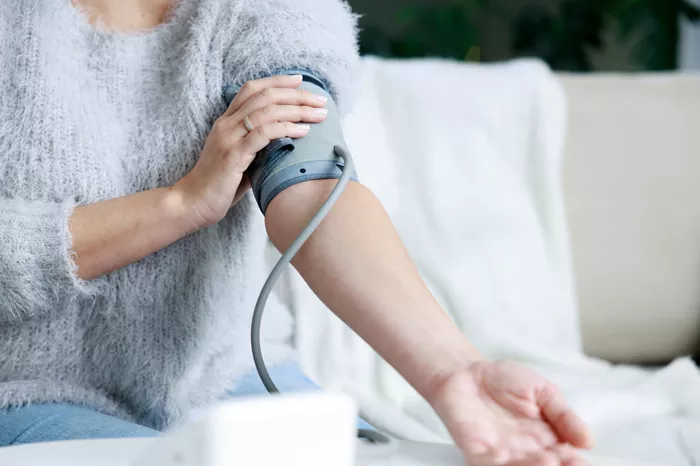
Hypertension has earned its ominous title as the “silent killer” through a dangerous combination of prevalence and invisibility. This condition operates without obvious symptoms while dramatically increasing the risk of heart attacks, strokes, and other cardiovascular events. The statistics paint a concerning picture: approximately 50 million Americans live with high blood pressure, yet a significant portion remain completely unaware of their condition.
The absence of noticeable warning signs makes hypertension particularly dangerous, as damage to blood vessels can occur gradually over years without any physical indication. This underscores why regular monitoring becomes essential for maintaining long-term health, especially for those with risk factors such as family history or related health conditions.
Selecting the Right Monitor
When selecting a home blood pressure monitor, experts unanimously recommend electronic devices with digital displays for their accuracy and user-friendly operation. Medical professionals emphasize that automated electronic models have become sufficiently reliable that many clinical trials now use devices similar to those available to consumers.
The critical choice between arm and wrist monitors leans heavily toward upper arm models, which provide more consistent results by measuring blood pressure closer to the heart. Beyond type, consumers should look for monitors validated by medical associations, with proper cuff fit being perhaps the most crucial factor—an improperly sized cuff will compromise even the most technologically advanced device.
Mastering Measurement Technique
The process of obtaining an accurate blood pressure reading requires careful attention to preparation and technique. Approximately 30-60 minutes before measurement, avoid substances that can temporarily elevate readings, including caffeine, tobacco, and heavy meals.
When ready to measure, sit quietly for five minutes in a comfortable chair with back support, feet flat on the floor, and legs uncrossed. Position your arm so the cuff is at heart level, typically by resting it on a table. During the measurement, remain still and avoid talking, as muscle tension or conversation can affect results. For optimal accuracy, take two readings one minute apart and average them, recording the time of day and any relevant factors.
Benefits of Home Monitoring
Home monitoring provides distinct advantages over occasional clinical measurements through the volume of data collected in your natural environment. These regular readings help identify patterns that might be missed during periodic doctor visits, such as early morning spikes or evening elevations.
The phenomenon known as “white-coat hypertension,” where blood pressure rises in medical settings, can be identified through consistent home monitoring, potentially preventing unnecessary medication adjustments. Conversely, home monitoring can detect “masked hypertension,” where readings are normal in clinical settings but elevated elsewhere. This comprehensive data enables more personalized treatment plans and helps patients understand how daily activities impact cardiovascular health.
Interpreting Your Readings
Interpreting home blood pressure readings requires understanding both the numbers and their context. Generally, home readings tend to be slightly lower than those taken in medical offices, so target ranges adjust accordingly—while 140/90 mmHg might be the clinical threshold, the equivalent home reading would be 135/85 mmHg.
Consistent readings at or above these levels warrant medical consultation. Many modern monitors feature irregular heartbeat detection, which can alert users to potential arrhythmias. The ability to store readings for multiple users allows families to share devices while maintaining separate data tracking, creating valuable historical data for medical consultations.
Long-Term Management Strategy
Integrating blood pressure monitoring into long-term health management requires collaboration with healthcare providers. Before relying on a new monitor, bring it to your doctor’s office to compare its readings against clinical equipment, ensuring accuracy. Establish a consistent monitoring schedule that aligns with your treatment plan, typically including morning and evening readings.
Use tracking tools—whether digital apps or paper logs—to identify patterns and triggers in your blood pressure fluctuations. Most importantly, view home monitoring as one component of a comprehensive approach that includes medication adherence, dietary modifications, regular exercise, and stress management for optimal cardiovascular health.
Related topics:
