
Pregnancy later in life is becoming increasingly common, with the median age of first-time mothers rising to nearly 33 years in 2024. Women aged 35 and older are considered to be of advanced maternal age, a category associated with increased risks during pregnancy. These include higher chances of preeclampsia—a serious condition marked by high blood pressure—and increased likelihood of chromosomal abnormalities in the baby, such as Down syndrome.
Understanding the Impact of Maternal Age on Chromosomal Abnormalities
Research shows that women over 40 face a significantly higher risk of giving birth to babies with chromosomal abnormalities. A notable study found that maternal age greatly influences the occurrence of trisomy 21 (Down syndrome), with women aged 40 and above being 5 to 50 times more likely to have affected fetuses. These risks mostly arise around conception, highlighting the importance of early genetic screening.
IVF and Preimplantation Genetic Testing (PGT) Enhance Pregnancy Outcomes
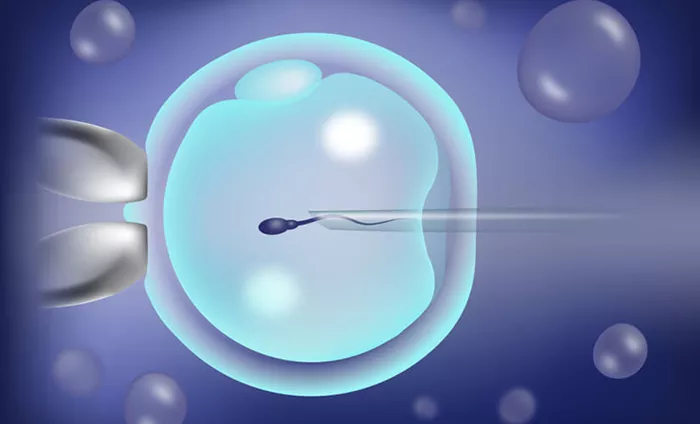
For women pursuing pregnancy later in life, in vitro fertilization (IVF) combined with Preimplantation Genetic Testing (PGT) offers promising results. PGT screens embryos for chromosomal and single-gene disorders before implantation, helping reduce the chances of miscarriage and increasing the likelihood of a healthy pregnancy.
A recent study published in the Journal of Assisted Reproductive Genetics reports that IVF cycles incorporating PGT can see up to a 70% increase in success rates. This personalized approach allows families to receive genetic insights that guide safer reproductive decisions.
Non-Invasive Prenatal Testing (NIPT) Offers Safer Chromosomal Screening
In addition to IVF and PGT, Non-Invasive Prenatal Testing (NIPT) is becoming standard for all pregnancies regardless of maternal age. NIPT analyzes fetal DNA fragments circulating in the mother’s blood after 12 weeks of pregnancy. This quick and painless test, such as the widely used NIFTY® test, provides early detection of chromosomal abnormalities without the miscarriage risks associated with invasive procedures like amniocentesis.
Experts emphasize that for couples without known chromosomal issues, NIPT is a preferred first step in prenatal screening, offering peace of mind and improved safety for both mother and baby.
The New Era of Parenthood Enabled by Genetic Technologies
Stories of successful later-in-life pregnancies, such as that of Lilian Chan—the wife of Hong Kong actor Brian Wong Chak Fung—highlight how genetic technologies are reshaping reproductive possibilities. With IVF, PGT, and NIPT, women have greater access to personalized, precision medicine that mitigates age-related risks and supports healthier outcomes.
While advanced maternal age still carries inherent risks, scientific progress empowers women to make informed choices tailored to their unique situations. As family planning continues to evolve, these innovations make parenthood safer and more attainable for older mothers.
Conclusion
Later-life pregnancies no longer need to be fraught with uncertainty and high risk. The integration of IVF with genetic testing technologies such as PGT and NIPT offers women advanced tools to reduce chromosomal abnormalities and increase the chances of a healthy baby. With these breakthroughs, the dream of safe, successful pregnancies beyond traditional age limits is becoming reality.
YOU MAY ALSO LIKE
How to Improve Your Uterine Lining to Prepare for IVF
How to Choose the Best IVF Clinic in Chennai: A Comprehensive Guide
