
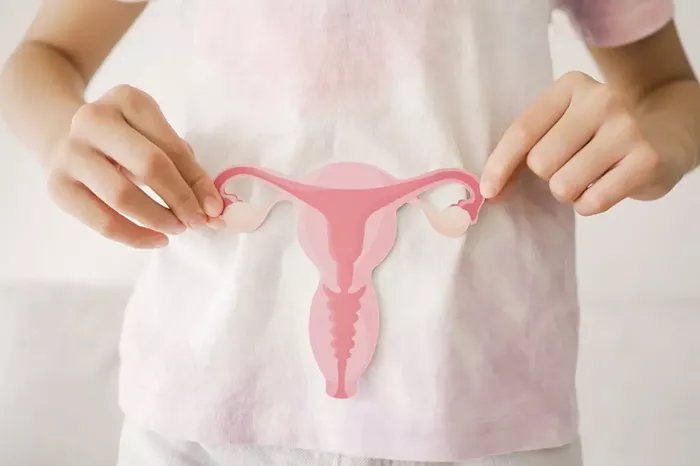
In the journey of in vitro fertilization (IVF), much attention is paid to egg quality and embryo development—but an equally critical factor is often overlooked: the uterine lining (endometrium). A receptive, well-developed endometrium provides the foundation for embryo implantation and early pregnancy. Even a high-quality embryo may fail to implant if the lining is too thin or not optimally primed.
In consultation with leading fertility specialist Dr Suma Varsha from Ferty9 Fertility Center in Vijayawada, we explore evidence-based strategies for preparing the uterus for embryo transfer, along with recent research updates that challenge and refine traditional views.
What Constitutes a “Healthy” Uterine Lining?
Clinicians typically expect the endometrium to be 7–9 mm or more in thickness by the time of embryo transfer, often with a “trilaminar” (three-layer) ultrasound appearance, indicating good vascularization and optimal receptivity. Dr Varsha highlights that such a lining supports blood flow, nutrient exchange, and embryo adherence.
However, new large-scale data question whether a strict cutoff is always justified. A study of over 30,000 frozen embryo transfers found that live birth rates were not dramatically reduced in many cases of thinner lining (< 7 mm), especially in natural cycle protocols.
Another meta-analysis across fresh and frozen cycles observed that while thicker endometrium generally correlates with better outcomes, its predictive power is limited—its area under the curve (AUC) for live birth prediction hovered around 0.56–0.60.
In short: a thin lining may raise a red flag, but it isn’t always a barrier.
That said, many fertility centers still aim for at least 7 mm or more, and some newer data suggest live birth rates improve up to about 12–14.9 mm in certain fresh IVF cycles.
Strategies to Optimize the Uterine Lining
Below is a multifaceted approach, combining lifestyle, medical, and advanced interventions:
1. Enhance Pelvic Blood Flow
Good circulation helps deliver oxygen and nutrients to the endometrium.
Gentle exercise like walking, yoga, or pelvic floor work
Acupuncture (some studies support improved receptivity)
Warm compresses or castor oil packs (with physician approval)
2. Nutrition and Hydration
What you eat matters:
Leafy greens, beets, pomegranates (nitrate-rich, supporting circulation)
Healthy fats (avocado, olive oil, nuts) to sustain hormone balance
Iron-rich foods (spinach, lentils, lean meats) to prevent anemia
Plenty of water for good blood volume
3. Hormonal Support Under Medical Guidance
Estrogen (estradiol): Can be given orally, transdermally, or via injection to stimulate lining growth
Progesterone: After sufficient estrogen priming, progesterone helps prepare the lining for implantation
In resistant cases, adjuncts such as growth hormone (GH) or G-CSF (granulocyte-colony stimulating factor) have shown promise in some small studies.
4. Supplementation (Always Check with Your Doctor)
Vitamin E: May improve microcirculation
L-Arginine: Amino acid believed to enhance blood flow
Omega-3 fatty acids: Reduce inflammation, support uterine health
Some centers trial low-dose aspirin or Sildenafil (vasodilator) in thin-lining cases.
5. Emerging and Advanced Therapies
For persistent thin lining unresponsive to standard measures:
Platelet-Rich Plasma (PRP) infusion into the uterine cavity to encourage tissue regeneration
Stem cell therapies or mesenchymal stem cell infusions (in experimental settings) to repair or regenerate endometrial tissue.
Hysteroscopic evaluation to detect adhesions (Asherman’s syndrome) or structural abnormalities that might impair growth
Pelvic massage or uterine massage / pelvic floor remodeling in some trials showed improved subendometrial blood flow and thickness when combined with hormonal treatment.
Lifestyle, Stress, and Environmental Factors
Stress reduction (meditation, yoga, guided breathing) helps maintain hormonal balance
Quit smoking and avoid alcohol
Air pollution exposure is increasingly implicated: a study in Australia found that higher exposure to particulate matter (PM2.5, PM10) before egg retrieval could reduce live birth chances by up to 40 %.
Sleep quality, weight management, and overall metabolic health matter too
Practical Considerations and Limitations
Individual response varies: What works well for one patient may not for another
Avoid high-dose, unmonitored supplementation—some compounds may interfere with hormone therapy
Interventions like PRP or stem cells remain emerging and are not standard of care everywhere
A lining above a certain thickness doesn’t guarantee success, and excessively thick lining is rarely beneficial
Even in thin-lining cases, some women achieve pregnancy—clinicians must balance benefits and risks of delaying transfer.
Bottom Line
Optimizing the uterine lining for IVF is a multifactorial process involving diet, blood flow, hormonal support, emerging therapies, stress management, and structural evaluation. While a lining in the 7–9 mm range is commonly targeted, new data suggest that even thinner linings can sometimes support successful pregnancies. Thus, decision-making should be individualized, flexible, and guided closely by a fertility specialist.
YOU MAY ALSO LIKE
How to Choose the Best IVF Clinic in Chennai: A Comprehensive Guide
