
A new study highlights that menstrual product preferences in the United States vary widely depending on age, race, socioeconomic status, and certain health conditions.
Study details
The analysis, published in the American Journal of Obstetrics & Gynecology, drew on data from more than 11,000 participants enrolled through the Apple Research app between 2019 and 2024. Most participants were women in their 30s, with the majority holding a college degree.
Researchers examined how different groups reported using tampons, pads, cups, period underwear, and other products. They found that while tampons and pads remain the most commonly used, patterns of use differ significantly across demographic and health-related factors.
Overall product use
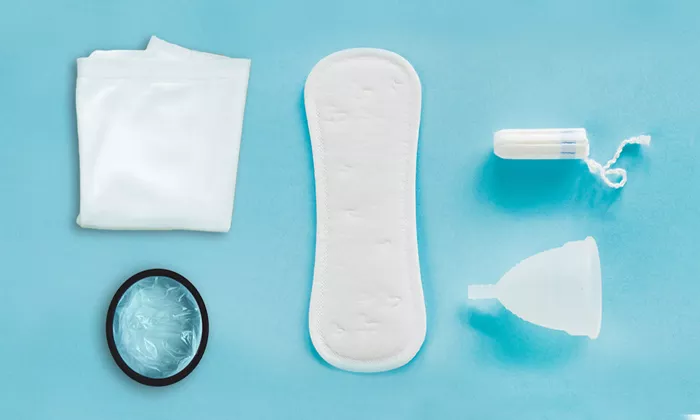
Most common products: 48% used regular tampons, 47% used pads, 43% used panty liners.
Other products: 36% used super-absorbent tampons, 20% used period underwear, and 18% used menstrual cups.
Mixed use: 18% reported alternating between tampons and pads, while 4% reported not using any products at all.
Among tampon users, more than 6 in 10 said they wore them overnight.
Differences by age, race, and income
Product preferences shifted noticeably by age. Younger participants (ages 18–19) were more likely to use pads and less likely to use cups compared with those in their 30s. Women over 50 reported lower use of both tampons and cups.
Race and ethnicity also shaped choices. Non-Hispanic White participants were more likely to use tampons and menstrual cups compared with Asian, Hispanic, and Black participants, who reported lower use rates for both.
Socioeconomic status played a role as well. Higher-income participants were more likely to report using menstrual cups and period underwear, while lower-income participants leaned more toward pads.
Influence of gynecological conditions
Women with certain health conditions reported different usage patterns. For example:
Endometriosis: Higher use of super-absorbent tampons.
Fibroids: More likely to use tampons overnight.
Infertility: More frequent use of pads, absorbent tampons, and period underwear.
Menstrual cycle patterns
Cycle length and bleeding days also affected product choice. Cup use was highest among women with regular cycles of 26–31 days but dropped sharply for those with shorter, longer, or irregular cycles. Longer bleeding durations were linked to greater use of multiple products, including pads and super-absorbent tampons.
Why this matters
Researchers emphasized that menstrual product use is shaped not only by personal preference but also by cultural, economic, and medical factors. Understanding these differences could help clinicians better counsel patients and inform policymakers working to improve menstrual health access.
“Menstrual health is an important but often overlooked aspect of overall well-being,” the authors wrote. “Our findings can serve as a reference point for future research and for addressing disparities in menstrual care.”
YOU MAY ALSO LIKE
How to Tell You’re Ovulating with Irregular Periods?
New mRNA Research Could Transform Treatment for Heavy Periods
Surprising Link Between Heavy Periods And Fatigue In Perimenopause
