
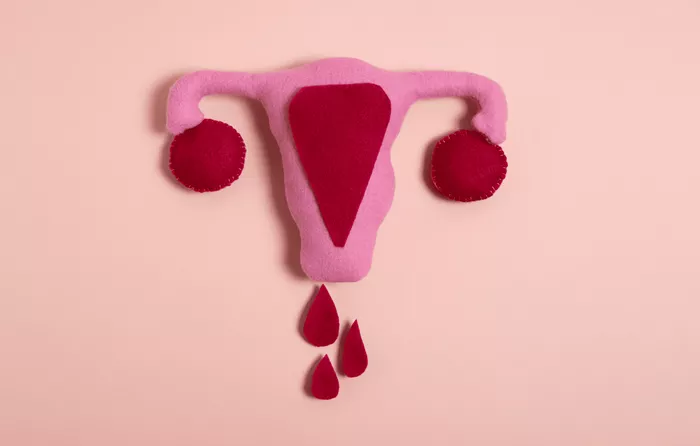
Every minute in the U.S., a woman needs a blood transfusion because of menstrual bleeding. Heavy periods affect about one in three women, yet treatment options remain limited and often come with significant side effects.
A new research program led by Kathleen O’Neill, MD, an assistant professor of Obstetrics and Gynecology at the University of Pennsylvania, aims to change that. Her team is developing a groundbreaking mRNA-based therapy designed to target the underlying biology of heavy menstrual bleeding—and potentially offer a safe, non-hormonal treatment.
Why Heavy Menstrual Bleeding Matters
Heavy menstrual bleeding can significantly disrupt daily life, forcing many women to miss work or school. It may also cause health problems such as anemia and can signal conditions including uterine fibroids, thyroid disease, bleeding disorders, and pituitary tumors.
Despite how common it is, heavy bleeding is often dismissed or overlooked in clinical settings. There is no universally accepted definition of “normal” bleeding, and many women don’t realize that their cycles are outside the typical range.
A Major Investment in Women’s Health
O’Neill’s project is part of The Missed Vital Sign, a global initiative funded by Wellcome Leap. The program will invest $50 million to accelerate research on heavy menstrual bleeding, from understanding its biological causes to developing new treatments and raising awareness.
Her team, which includes collaborators from Harvard University and Rice University, will receive up to $5 million in funding.
Current Treatment Options Are Limited
Today, treatments for heavy menstrual bleeding usually fall into two categories:
Surgery: For patients with fibroids, surgical removal can reduce bleeding but comes with risks and recovery time.
Hormonal therapies: Birth control pills and intrauterine devices (IUDs) can thin the uterine lining and reduce blood loss, but they aren’t suitable for everyone and can cause side effects.
“There’s a real need for new approaches that are safer, more effective, and easier for women to use,” O’Neill said.
Exploring the Biology of Heavy Periods
O’Neill has long been interested in the uterus and its inner lining, the endometrium. Abnormalities in this tissue can contribute to bleeding disorders, infertility, pregnancy loss, and even cancer.
Her team’s focus is on two key biological processes that may play a role in heavy periods:
Vasoconstriction, where blood vessels narrow to limit bleeding.
Proliferation repair, the cycle of tissue breakdown and regrowth that occurs each month in the uterine lining.
Previous studies suggest that disruptions in these pathways—and the proteins that regulate them—may drive excessive bleeding.
How mRNA Therapy Could Help
The researchers plan to create a vaginal gel containing lipid nanoparticles that deliver mRNA directly to the endometrial tissue. This technology, made famous by COVID-19 vaccines, has shown promise in treating a wide range of diseases.
By altering protein production in the uterine lining, the therapy could reduce menstrual bleeding without hormones or surgery. Early testing will take place in lab-grown human tissue and in mouse models that mimic human menstrual cycles. If successful, the therapy could move into clinical trials.
“This is just the first step,” O’Neill said. “But the hope is to create a treatment that isn’t hormonal, doesn’t require surgery, and can be easily used at home.”
A Step Toward Faster Care
Currently, it takes an average of five years for a woman with heavy periods to get effective treatment. The Missed Vital Sign initiative aims to reduce that timeline to just five months.
For O’Neill and her collaborators, the goal is ambitious but urgent. “Good science must be rigorous, but it can also move too slowly,” she said. “We want to bring forward big ideas that make a real difference for women’s health.”
YOU MAY ALSO LIKE
Surprising Link Between Heavy Periods And Fatigue In Perimenopause
