
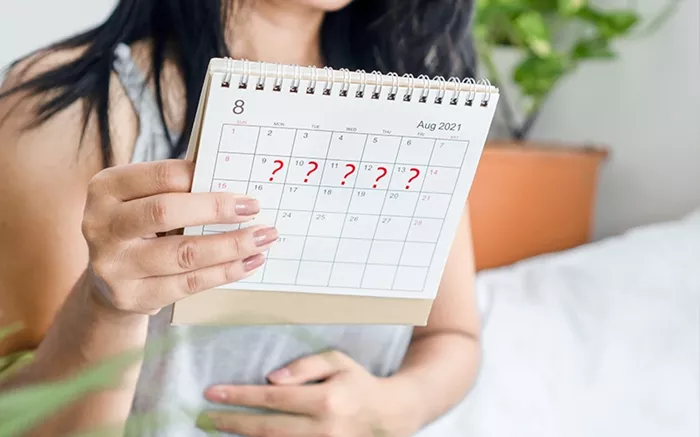
Understanding your body can be hard when your periods don’t follow a regular pattern. If you have irregular cycles, knowing when you’re ovulating may seem impossible. But the good news is—your body still sends signals. You just have to know what to look for. This article will guide you through simple and natural ways to recognize ovulation, even if your periods are all over the place.
We’ll talk about everyday signs, how to track them, and what tools you can use at home. Whether you’re trying to get pregnant or simply want to understand your body better, knowing how to spot ovulation is important. With patience, observation, and some easy habits, you can learn what your body is telling you. You don’t have to guess anymore. Let’s break it all down into simple steps so you can take control of your cycle.
What Is Ovulation?
Ovulation is when your ovary releases an egg. This usually happens about halfway through a regular menstrual cycle, around day 14 of a 28-day cycle. But if your periods are irregular, ovulation might not follow this pattern. That’s why it’s important to understand what ovulation is and how it works.
Each month, your body prepares to release an egg. Hormones rise and trigger changes in your body. You may not see these changes on a calendar, but you might feel them. After the egg is released, it travels through the fallopian tube. If sperm is there, the egg might be fertilized. If not, your body eventually sheds the lining of your uterus, and you get your period.
Ovulation is a key part of fertility. But even if you’re not trying to get pregnant, understanding ovulation can help you track your cycle, manage symptoms, and better understand your health.
Why Are Periods Irregular?
Irregular periods can be caused by many things. Sometimes it’s temporary, like stress or a big life change. Other times, it may be due to a health issue. Here are a few common reasons why your period may not come regularly:
- Stress or anxiety
- Changes in weight (gain or loss)
- Thyroid problems
- Polycystic ovary syndrome (PCOS)
- Perimenopause
- Eating disorders or poor nutrition
- Excessive exercise
- Travel or time zone changes
Irregular periods mean your cycle length changes often. One month it might be 25 days, the next 40. You may skip a period or have bleeding that’s heavier or lighter than usual. When your periods are irregular, tracking ovulation is more difficult—but not impossible.
Signs of Ovulation You Can Look For
Your body gives you signs when it’s ovulating. You just have to pay close attention. Here are some simple ways to notice them:
1. Changes in Cervical Mucus
When you’re close to ovulation, your cervical mucus becomes clear, slippery, and stretchy—like egg whites. This type of mucus helps sperm travel to the egg. Checking your discharge daily can help you learn what’s normal and when your body is getting ready to release an egg.
2. Increase in Sex Drive
Many women feel more interested in sex around ovulation. This is your body’s natural way of increasing the chance of pregnancy. Pay attention to how you feel during your cycle. A sudden rise in desire might be a clue.
3. Mild Pelvic Pain or Cramps
This is called “mittelschmerz,” a German word for “middle pain.” It happens on one side of the lower belly, where the ovary is releasing an egg. The pain is usually mild and lasts a few hours to a day.
4. Breast Tenderness
Your hormones change during ovulation, and your breasts may feel sore or sensitive. This is similar to what some women feel before their period but happens a bit earlier in the cycle.
5. Light Spotting
Some women see a small amount of pink or brown spotting during ovulation. It’s not like a period and doesn’t last long. If you notice this, write it down. It could be a sign your body is releasing an egg.
How to Track Ovulation with Irregular Periods
Tracking ovulation takes time and consistency. If your periods are irregular, you may need to use more than one method. Here are the most effective ways:
1. Basal Body Temperature (BBT)
Take your temperature every morning before getting out of bed. Use a special BBT thermometer. When you ovulate, your body temperature goes up slightly (about 0.5 to 1°F). Charting your BBT over time helps you find patterns—even if your cycle changes.
2. Ovulation Predictor Kits (OPKs)
These test your urine for a hormone called LH (luteinizing hormone), which rises before ovulation. OPKs are easy to use and can give you a heads-up when you’re about to ovulate. Start testing several days after your period ends and continue until you see a positive result.
3. Cervical Position
Some women check their cervix’s position and texture. During ovulation, it feels higher, softer, and more open. This method takes practice, but it can be useful if done daily and combined with other signs.
4. Fertility Apps
Apps can help you track symptoms like discharge, temperature, mood, and cramps. Some use algorithms to predict your fertile days. While they’re not always 100% accurate with irregular periods, they still help you stay organized and spot trends.
When to Start Tracking?
Start tracking as soon as possible. Don’t wait for your next period to begin. The more data you collect, the clearer your cycle becomes.
If your cycle is unpredictable, start observing right after your last period. Use a combination of methods—BBT, OPKs, and cervical mucus. Keep a journal or use a tracking app. Over time, you’ll get a better idea of your personal ovulation signs.
When Should You See a Doctor?
If you’ve been trying to track ovulation for months and still feel confused, it’s okay to ask for help.
See a doctor if:
- Your periods are more than 35 days apart or come less than every 21 days
- You’ve been trying to get pregnant for over a year (or 6 months if over age 35)
- You have signs of hormone imbalance, like acne, facial hair, or sudden weight gain
- Your cycles are very painful or very heavy
Your doctor may suggest blood tests or an ultrasound to check your hormones or ovaries. They can also help rule out conditions like PCOS or thyroid disease.
Conclusion
Having irregular periods doesn’t mean you’re out of touch with your body—it just means you have to listen more closely. Every woman’s cycle is different, and with a little patience and practice, you can learn to read the signs. Use tools like BBT charts, ovulation kits, and apps. Watch how your body changes through each cycle. Write things down. The more you observe, the easier it becomes.
If you’re trying to conceive, knowing when you ovulate can help you feel more in control. And if you’re just curious, understanding your cycle can give you peace of mind. Don’t be discouraged by irregular periods. You’re not alone, and there are simple ways to find your fertile window. Trust your body. It’s smarter than you think—and it’s always giving you clues.
7 Common FAQs About Ovulation and Irregular Periods
1. Can I ovulate without having a period?
Yes, you can. Sometimes ovulation happens, but your period doesn’t follow. This can be due to hormonal imbalances, stress, or other issues.
2. Can I get pregnant if I have irregular periods?
Yes. As long as you ovulate, pregnancy is possible. Tracking ovulation can improve your chances by helping you find your fertile days.
3. How long does ovulation last?
Ovulation itself lasts 12–24 hours. But your fertile window is about 5 days—the 4 days before ovulation and the day of ovulation.
4. What if I never see clear signs of ovulation?
If you’re tracking for several months and still can’t find a pattern, speak with your doctor. You may need blood work or a hormone evaluation.
5. Can birth control affect my ovulation signs?
Yes. Hormonal birth control prevents ovulation. After stopping it, your cycle may take a few months to become regular again.
6. Is it normal to skip periods sometimes?
It can happen occasionally, especially with stress or changes in your routine. But if it happens often, it’s worth getting checked.
7. Are irregular periods always a sign of a problem?
Not always. Some women naturally have longer or shorter cycles. But if it bothers you or affects your fertility, talk to your doctor.
READ MORE
