
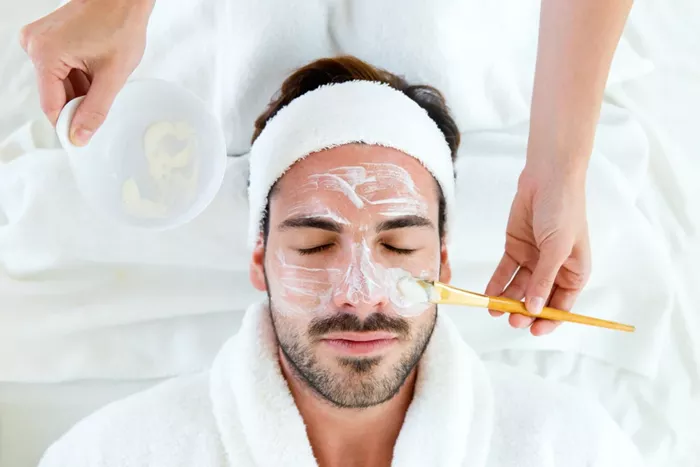
Both leading dermatologists and expert sources agree that the ideal skincare routine for men can be both simple and effective without the complexity of overwhelming, multi-step regimens.
The foundation focuses on five essential steps: cleansing, exfoliating, applying serum, moisturizing, and protecting with sunscreen.
1.Cleanser
A fundamental first step, cleansing should be done twice daily to remove excess oil, dirt, and pollutants that can cause skin irritation and acne. The type of cleanser depends on skin type: a gentle, sulfate-free cleanser is recommended to avoid stripping essential oils. For dry skin, cleansing once daily or using just water may suffice.
2.Exfoliate
Exfoliation is advised two to three times weekly rather than daily. It helps remove dead skin cells, unclog pores, and prevent ingrown hairs—especially beneficial for men who shave regularly. Chemical exfoliants containing salicylic or glycolic acid are preferred for their resurfacing and rejuvenating effects.
3.Serum
Serums serve as concentrated treatments targeting specific concerns such as dullness, fine lines, or dark spots. Vitamin C serums are recommended for their antioxidant properties, brightening skin, and protecting against environmental damage. Niacinamide is another key option, particularly for oily or acne-prone skin, to reduce pore size and inflammation.
4.Moisturizer
Moisturizing is critical to keep skin hydrated, maintain the skin barrier, and enhance absorption of active ingredients. Even oily skin benefits from moisturizer, ideally lightweight and oil-free formulas. Regular moisturizing twice daily combats dryness and helps minimize aging signs.
5.SPF (Sun Protection Factor)
Daily sun protection is non-negotiable for preventing UV damage, premature aging, and skin cancer risk. Dermatologists endorse at least a broad-spectrum SPF 30, with some products combining moisturizer and SPF to streamline the last step.
This concise five-step routine ensures men’s skin stays clean, nourished, and protected with realistic and manageable steps supported by dermatological expertise.
YOU MAY ALSO LIKE
