
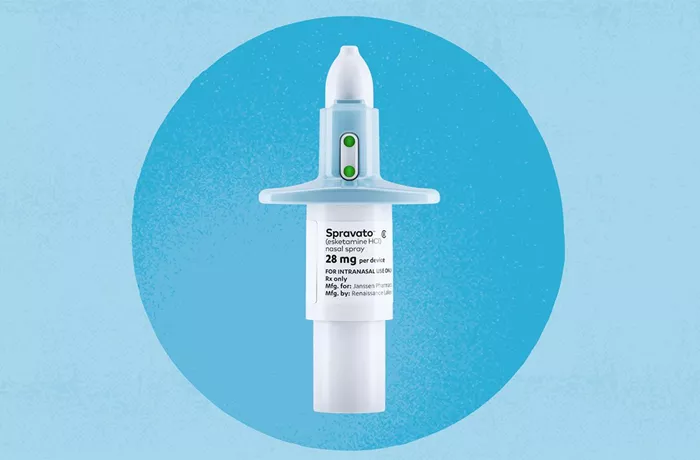
A recent study has revealed that esketamine, an FDA-approved nasal spray for treatment-resistant depression (TRD), rapidly improves sleep quality in patients struggling with chronic depression. The therapy not only addresses insomnia but also enhances next-day mental and physical well-being.
Patients with TRD frequently experience sleep disturbances such as insomnia, early awakening, or restless sleep, which can worsen depressive symptoms and diminish quality of life. Investigators emphasize that insomnia is a critical factor influencing the success of depression treatments.
“Insomnia, which often coexists with drug-resistant depression, is one of the key aspects influencing the effectiveness of treatment,” said Daniel Szawarnoga and colleagues from the departments of psychiatry and neurology at the Medical University of Silesia in Poland.
Esketamine (SPRAVATO), approved earlier this year by the US Food and Drug Administration, demonstrated superior efficacy compared with placebo in improving depression scores on the Montgomery-Asberg Depression Rating Scale (MADRS) after just four weeks of treatment.
Beyond alleviating depressive symptoms, esketamine also addresses sleep disruptions by modulating circadian rhythms. Previous research has shown that ketamine, from which esketamine is derived, impacts circadian gene expression—specifically the Bmal1, Per2, and Cry1 genes—potentially contributing to improved sleep. Esketamine’s NMDA receptor activity enhances neuronal plasticity, which may further reduce nighttime awakenings.
In a phase 4 study, researchers compared esketamine (up to 84 mg/day) combined with standard antidepressants against standard antidepressants alone in 50 TRD patients aged 20–50 years. Participants’ insomnia levels were assessed using the Athens Insomnia Scale over six months.
Results indicated that patients receiving esketamine experienced significantly fewer sleep disturbances than those on standard antidepressants (P < .001). Increased doses correlated with decreased insomnia, and after six months, only one esketamine patient reported persistent insomnia (P = .016). Nearly all participants reported satisfactory or slightly unsatisfactory sleep quality, with none describing it as completely unsatisfactory.
Esketamine recipients also reported markedly improved well-being and mental and physical performance the following day, while participants on standard antidepressants showed no meaningful changes over the same period.
The investigators concluded that despite its high cost, esketamine’s ability to reduce insomnia in TRD patients represents a clinically significant advancement. They highlighted that treatment may be pursued through drug reimbursement programs or individual patient decisions following consultation with a physician.
YOU MAY ALSO LIKE
