
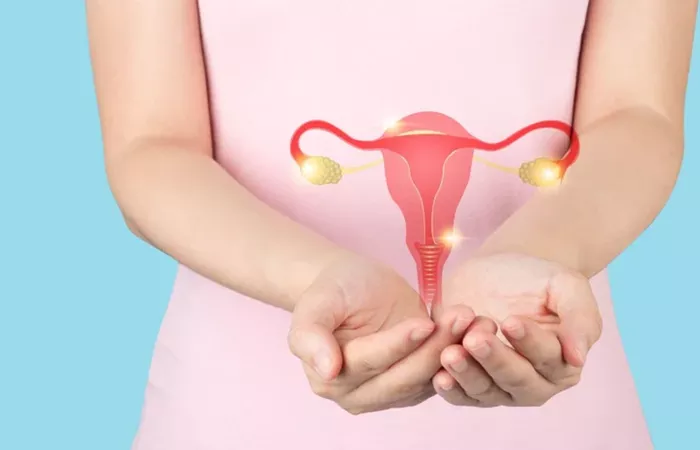
A significant international initiative is in progress to rename polycystic ovary syndrome (PCOS), a condition affecting 6 to 13 percent of women worldwide, according to the World Health Organization. This move aims to better capture the true nature and wide-ranging impacts of the disorder, which has long been misunderstood due to its misleading name.
PCOS is characterized by hormonal imbalances, elevated androgen levels, and irregular menstrual cycles, and is a leading cause of infertility among women.
However, the term “polycystic ovary” inaccurately describes the condition, as the “cysts” seen on ultrasounds are actually underdeveloped egg follicles—small fluid-filled sacs—not true cysts.
An Australian-led global survey, which has already received over 6,500 responses, is gathering input on possible new names.
Participants are considering three approaches: creating a new generic name; selecting a term that better reflects the underlying pathology and symptoms; or retaining the PCOS acronym but redefining each letter with more accurate terminology.
The goal is to finalize a new name for inclusion in the International Classification of Diseases by the end of 2026.
Caitlin Videon, diagnosed with PCOS at 16, shared her two-decade struggle with symptoms ranging from excessive hair growth and weight gain to depression and suicidal thoughts. She emphasized the difficulty of explaining the condition to even well-informed medical professionals.
“A name change will help capture how significant and intricate the disease can be, especially considering its impact on the whole female body,” Videon said.
The renaming effort is spearheaded by Monash University’s Centre for Research Excellence in Women’s Health in Reproductive Life. Professor Helena Teede, a leading expert, highlighted that PCOS remains one of the most neglected and poorly understood health conditions. “It’s not just an ovarian issue—it’s a complex hormonal disorder,” she explained. “Many patients aren’t receiving timely diagnosis, treatment, or adequate research attention.”
Amy Harrison, diagnosed nearly 25 years ago, described living with PCOS alongside endometriosis as a continuous challenge. She detailed how PCOS affects multiple body systems, causing severe pain, digestive issues, nausea, and migraines.
Explaining these effects to her 15-year-old daughter, who also faces PCOS and endometriosis, has been difficult. Harrison noted, “The current name doesn’t truly explain the symptoms or how they interact. A new name could make the condition easier to understand and less intimidating.”
Dietician Felicity Morrell, who regularly works with PCOS patients, confirmed that many women find the current terminology confusing. “A clearer name could help patients better grasp the scope of their condition and improve communication with healthcare providers,” she said.
Professor Teede reported that over 8,000 individuals have been surveyed on the renaming question over six years, with strong consensus that change is necessary. She emphasized that while public support exists, implementing the new name is a complex process involving global coordination. The survey, which remains open until the end of August, will inform the final decision.
“The name change is inevitable,” Teede stated. “We aim to complete the formal process by year’s end and begin global dissemination next year, with a comprehensive strategy for implementation. This is about properly recognizing and addressing a condition that affects millions of women worldwide.”
READ MORE
