
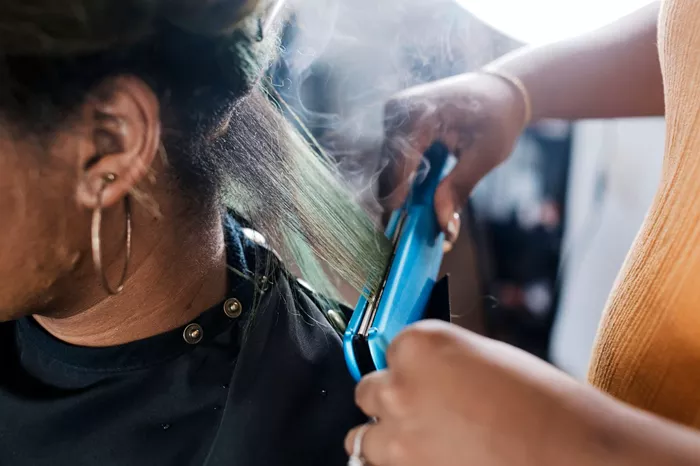
In a major step toward health equity, U.S. lawmakers on Wednesday unveiled four new bills designed to eliminate toxic ingredients in hair and beauty products disproportionately marketed to Black women and salon workers. Known collectively as the Safe Beauty Bill Package, the legislation aims to ban harmful chemicals and increase transparency around product ingredients.
According to supporters, these products often contain substances linked to serious health issues, including breast cancer, reproductive disorders, early puberty, and learning disabilities. Many of these ingredients are routinely found in hair relaxers, synthetic braids, and extensions—items commonly used in the Black community.
A Consumer Reports investigation from March revealed cancer-causing chemicals and lead in 10 synthetic hair products frequently used in protective styling. Lead, in particular, is a neurotoxin that can cause severe developmental harm, especially in children.
“This legislation recognizes that no one should be exposed to toxic chemicals just because of the products available in their community,” said Janet Nudelman, Director of Program and Policy at Breast Cancer Prevention Partners.
The package includes:
Toxic-Free Beauty Act: Prohibits two chemical classes and 18 specific toxicants, such as formaldehyde, mercury, lead, asbestos, phthalates, and parabens, all linked to cancer, neurotoxicity, and reproductive harm.
Cosmetic Safety Protections for Communities of Color & Salon Workers Act: Targets the disproportionate exposure to hazardous chemicals in communities of color and in salon environments.
Two additional bills focus on increasing ingredient transparency and creating stronger regulatory oversight for cosmetic and hair products.
Rep. Jan Schakowsky (D-Ill.), the author of all four bills, said, “We must close the dangerous loopholes that have allowed toxic substances to remain in everyday personal care products.”
Although the FDA was granted greater authority under the Modernization of Cosmetics Regulation Act of 2022, critics say the agency has failed to act decisively. For example, a pending FDA decision on banning formaldehyde in chemical hair straighteners has been stalled since an executive order by President Donald Trump paused new federal regulations.
Some states have taken independent action. Since 2023:
Vermont banned 17 chemicals and two chemical classes.
California banned 25 chemicals.
Washington and Oregon banned 13 chemicals and three chemical classes.
Advocates say the new federal legislation would create national consistency and better protect consumers and salon workers.
Related topics:
