
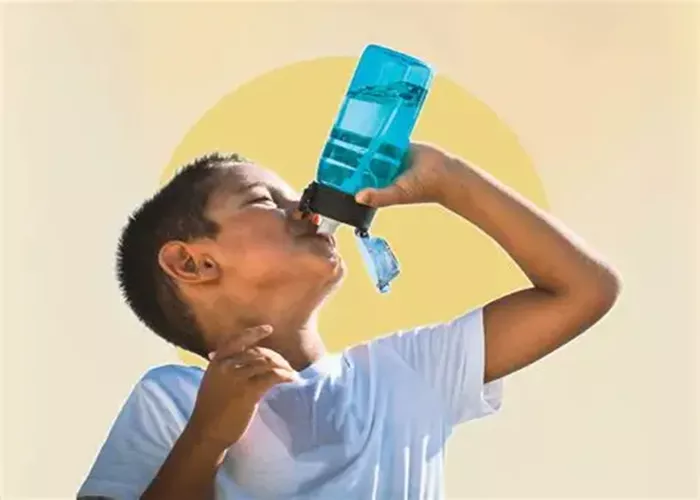
It’s long been thought that children are more prone to heat stress during intense exercise in hot environments, due to their higher surface area-to-weight ratio, making them more likely to suffer heatstroke and related illnesses.
However, a new study from the University of Sydney, published in the British Journal of Sports Medicine, challenges this view. Researchers found that in extreme heat, children sweat as much as adults and experience similar increases in body temperature—suggesting these factors aren’t the root cause of higher dehydration or heat illness risk.
The largest study of its kind, a collaboration between the university’s Global Heat and Health Research Centre and experts from the University of Canberra, involved 68 children (31 girls, 37 boys) aged 10–16—all healthy and active—and 24 adults (11 women, 13 men) aged 18–40. Participants completed three 45-minute treadmill tests at different intensities in either 30°C with 40% humidity or 40°C with 30% humidity. Core body temperature was monitored continuously, and sweat loss and dehydration levels were calculated via pre- and post-test weight measurements. Results showed no differences in sweat volume or temperature rise between children and adults.
“People assumed kids are more vulnerable to heat stress because of their surface area-to-weight ratio,” said Professor Ollie Jay, director of the Global Heat and Health Research Centre. “But our comparison of physiological responses in extreme heat shows their sweating and temperature rise are comparable—physiologically, they don’t face higher risks of dehydration or heat-related illness.”
Still, Dr. James Smallcombe, senior postdoctoral researcher and lead data collector, urged parents and teachers to ensure children drink enough fluids: “Unlike adults, kids may not clearly recognize when they’re dehydrated, putting them at greater clinical risk of heatstroke.”
To help parents and coaches determine fluid needs, the team developed a sweat loss calculator. Originally designed for adults, it can now estimate children’s required fluid intake based on height, weight, activity type, and temperature. Currently for cycling or running, the tool may expand to other sports.
Related topics:
Mudan District Trains Sanitation Workers on Heat Protection
