
Protein serves as a fundamental building block for a child’s body, playing a critical role in nearly every physiological process. It is indispensable for building and repairing muscles and tissues, producing essential hormones, strengthening bones, and facilitating the transport of oxygen throughout the body via blood.
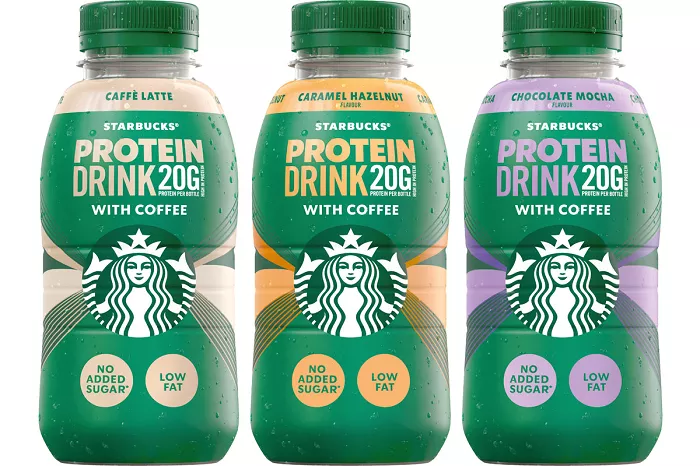
For active children involved in sports, or those who are picky eaters or have food intolerances, parents often consider protein shakes as a convenient method to supplement their child’s diet. However, providing excessive protein is generally unnecessary and can potentially lead to negative health consequences. It is crucial to first consult a pediatrician before introducing any supplements if there is a concern about a child’s nutritional intake.
Evaluating the Safety and Necessity of Protein Beverages
Protein drinks can be a safe and useful dietary addition for a specific subset of children, particularly those with a clinically diagnosed protein deficiency or medical conditions such as cystic fibrosis or pediatric cancer that impair nutrient absorption.
However, scientific evidence supporting the widespread benefit of protein powders for children with chronic illnesses remains limited; a 2015 review study found that such supplements did not significantly improve weight, height, or overall nutritional status in these populations.
For the vast majority of healthy children, protein supplements are unnecessary. Protein deficiency is uncommon in most developed countries, and children who consume a balanced diet typically meet their daily protein requirements through food alone.
Understanding the Potential Risks of Excessive Protein Intake
While not inherently harmful, for children who do not need extra protein, excessive consumption can pose several health risks. The primary concern is weight gain, as surplus protein is converted into calories that, if not burned through activity, are stored as body fat.
Many commercial protein drinks are also high in added sugars, further contributing to calorie excess. High levels of protein intake can place undue strain on the kidneys, which must work harder to filter waste products, potentially increasing the risk of dehydration, kidney stones, or long-term damage in susceptible individuals. Furthermore, relying on protein drinks as meal replacements can lead to nutritional deficiencies by displacing other vital nutrients found in whole foods.
Determining Age-Appropriate Daily Protein Requirements
A child’s protein needs are not static; they vary significantly based on age, body size, weight, and activity level. Generally, it is recommended that approximately 10 to 20 percent of a child’s total daily calories come from protein sources. A common guideline suggests that most healthy children require about 0.5 grams of protein per pound of body weight.
For example, a child weighing 50 pounds would need roughly 25 grams of protein per day. This requirement is often easily met through a balanced diet that includes foods like milk, lean meats, eggs, lentils, and yogurt. Parents should focus on dietary sources first before considering supplements.
Identifying Special Circumstances That May Require Supplementation
There are specific scenarios where a pediatrician might recommend a protein supplement. Underweight children or those diagnosed with malnutrition may benefit from targeted nutritional support
including high-calorie protein drinks. Children following strict vegan or vegetarian diets may also have higher protein needs, sometimes requiring up to 15 percent more protein than their meat-eating peers to compensate for differences in protein quality from plant sources. Additionally, children with certain metabolic disorders that affect how the body processes nutrients might be placed on a high-protein diet under strict medical supervision.
Practical Recommendations for Parents and Caregivers
The most effective and safest approach to ensuring adequate protein intake is through a diverse and nutrient-rich diet. Excellent whole-food protein sources include lean meats, poultry, fish, eggs, dairy products like Greek yogurt and milk, legumes, nuts, seeds, and certain vegetables like broccoli and spinach. If a supplement is deemed medically necessary, parents should select products with minimal added sugars and artificial ingredients.
Homemade smoothies using Greek yogurt, milk, or nut butter with fruit can be a healthier alternative to commercial products. Ultimately, any decision to use a protein drink should be made in consultation with a pediatrician or a registered dietitian to ensure it is appropriate for the child’s individual health needs and does not replace a balanced diet.
Related topics:
