
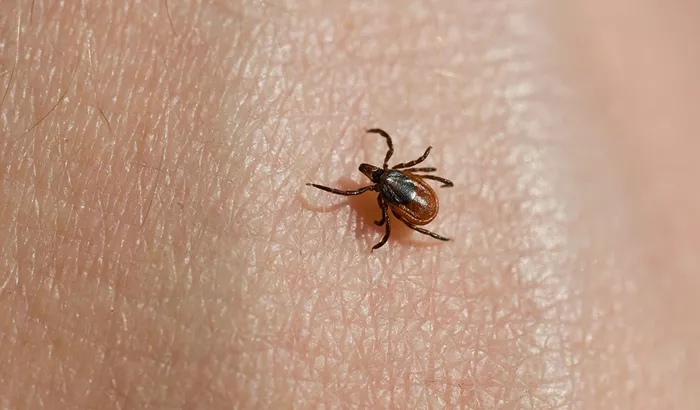
Emergency rooms across the United States are experiencing a surge in tick bite cases this summer, according to recent data from the Centers for Disease Control and Prevention (CDC). July has seen the highest number of tick-related emergency visits since 2017, with the Northeast region reporting the greatest concentration of cases.
Young children under 10 and elderly adults over 70 are particularly vulnerable, showing the highest rates of ER visits related to tick bites. This trend has heightened health concerns, as ticks can transmit serious diseases such as Lyme disease and Rocky Mountain Spotted Fever.
The Fordham Tick Index, which tracks tick activity in southern New York, Connecticut, and northern New Jersey, currently rates the risk of tick bites as “very high,” indicating increased exposure for residents in these areas.
Experts from the CDC point to climate change as a key factor driving this rise. Milder winters allow more ticks that carry disease to survive, increasing the population in regions where Lyme disease is already prevalent.
Tick bites often cause symptoms like fever, chills, headaches, fatigue, and muscle aches. Some patients develop distinctive rashes, which serve as warning signs for diseases such as Lyme disease. With outdoor activities in full swing this season, health officials are urging the public to take precautions to protect themselves.
The CDC recommends avoiding wooded and brushy areas with tall grass and leaf litter, staying in the center of hiking trails, and using EPA-approved insect repellents containing DEET or Picaridin. Treating clothing and outdoor gear with permethrin, a long-lasting insecticide, is also advised. When using both sunscreen and insect repellent, applying sunscreen first is important to maintain effectiveness.
Officials emphasize that tick exposure is not limited to traditionally high-risk areas, urging everyone to stay vigilant and proactive in preventing tick-borne illnesses this summer.
Read more:
Night Light May Raise Risk of Heart Disease
How Many Eggs a Day Is Actually Healthy?
New FDA Rules Could Leave Ultra-Rare Disease Patients Without Treatment
