
Depression is a common mental health condition that affects how a person feels, thinks, and handles daily life. It can lead to sadness, loss of interest, tiredness, and even physical symptoms. Many people struggle with depression at some point in their lives. Fortunately, there are many treatments available, and medications play a big role in helping people feel better. One of the most asked questions is: What is the most popular drug for depression? This article will give a clear answer and explore the reasons behind it. We will also provide helpful tips, tests, and professional advice for those experiencing depression.
What Is Depression?
Depression is a mental health disorder that causes persistent feelings of sadness, emptiness, and hopelessness. It can make everyday tasks feel hard or even impossible. People with depression may lose interest in hobbies, feel tired all the time, or have trouble sleeping or eating.
Common Symptoms of Depression
- Feeling sad or empty for most of the day
- Loss of interest in activities once enjoyed
- Changes in appetite or weight
- Sleeping too much or too little
- Feeling worthless or guilty
- Difficulty thinking or concentrating
- Thoughts of death or suicide
Types of Depression
There are different types of depression. Here are a few examples:
- Major Depressive Disorder (MDD): This is the most common form. It lasts for at least two weeks and affects daily life.
- Dysthymia (Persistent Depressive Disorder): A long-lasting form of depression, but less severe.
- Bipolar Disorder: Includes mood swings that range from depression to mania.
- Postpartum Depression: Happens after childbirth due to hormonal changes.
How Is Depression Treated?
Depression can be treated with therapy, medication, lifestyle changes, or a combination of these. Antidepressant medications are often prescribed when symptoms are moderate to severe.
Why Use Medication?
Depression involves changes in the brain’s chemical balance. Medication can help restore this balance, improving mood and energy. Not every medication works for everyone, so it may take time to find the right one.
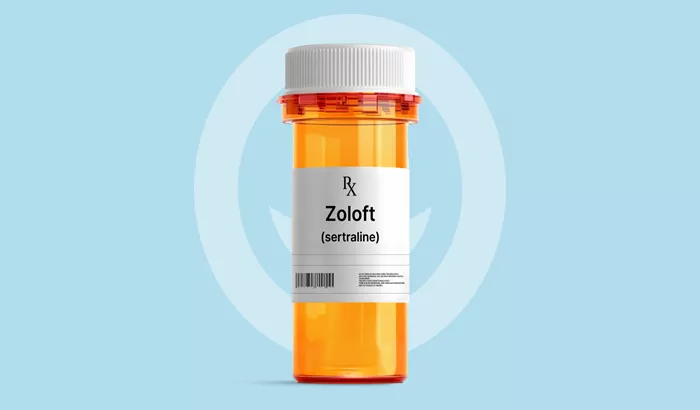
The Most Popular Drug for Depression: Sertraline (Zoloft)
Among all the antidepressants, Sertraline (brand name Zoloft) is considered one of the most popular and widely prescribed medications for depression worldwide.
What Is Sertraline?
Sertraline is a type of antidepressant known as a Selective Serotonin Reuptake Inhibitor (SSRI). It works by increasing serotonin levels in the brain. Serotonin is a chemical that helps control mood, sleep, and appetite.
Why Is Sertraline Popular?
- Effective: It helps many people reduce their symptoms of depression.
- Well-tolerated: Side effects are usually mild and improve over time.
- Approved for many conditions: Besides depression, it is also used for anxiety, panic attacks, PTSD, and OCD.
- Affordable and widely available: It is available in both brand and generic forms.
Other Common Antidepressants
While Sertraline is the most popular, there are several other antidepressants that are widely used and may work better for some people.
Fluoxetine (Prozac)
Also an SSRI, Fluoxetine has been on the market for many years and is especially popular in younger patients. It has a long half-life, meaning it stays in the body longer.
Escitalopram (Lexapro)
This SSRI is known for having fewer side effects. Many doctors choose this drug for people new to antidepressants.
Bupropion (Wellbutrin)
This medication is different from SSRIs and doesn’t affect serotonin. Instead, it works on dopamine and norepinephrine. It can help people with low energy and has fewer sexual side effects.
Venlafaxine (Effexor XR)
This is an SNRI, which affects both serotonin and norepinephrine. It is often used when SSRIs don’t work well enough.
How Long Does It Take for Antidepressants to Work?
Most antidepressants take 2 to 6 weeks to start working. It’s important to keep taking the medication as prescribed, even if you don’t feel better right away. Stopping suddenly can cause withdrawal symptoms or make depression worse.
Common Side Effects of Antidepressants
Side effects vary between drugs but may include:
- Nausea
- Headaches
- Weight changes
- Sleep problems
- Sexual dysfunction
These effects often improve within a few weeks. Always talk to your doctor if side effects are severe or last too long.
Tests to Diagnose Depression
Doctors use simple tools to help diagnose depression. These tools are not scary or painful. They help your doctor understand what you’re going through.
Patient Health Questionnaire-9 (PHQ-9)
This is a short, 9-question test that asks about your mood, energy, sleep, and appetite over the past two weeks. Each question is scored, and the total score helps measure how serious your depression is.
Beck Depression Inventory (BDI)
This is another self-report tool that helps track changes in symptoms over time. It is often used in clinics and research.
Hamilton Depression Rating Scale (HAM-D)
This is a scale used by healthcare professionals to rate the severity of a person’s depression. It is more detailed and used in therapy or hospital settings.
What Should You Do If You Think You Have Depression?
If you think you might be depressed, the first step is to talk to a doctor or mental health professional. You don’t have to deal with it alone. Early help leads to better outcomes.
Steps to Take
- Write down your symptoms
- Visit your primary doctor or a psychiatrist
- Take a screening test like the PHQ-9
- Follow their advice, which may include medication, therapy, or both
Professional Suggestions
Here are some friendly and professional suggestions to help manage depression, with or without medication:
1. Keep a Routine
Try to wake up, eat, and go to bed at the same times every day. This helps stabilize your mood.
2. Stay Active
Even light exercise like walking can improve your mood by increasing endorphins and serotonin in the brain.
3. Eat a Balanced Diet
Food affects mood. Eat fresh fruits, vegetables, whole grains, and lean proteins. Avoid too much sugar or alcohol.
4. Get Enough Sleep
Sleep and mood are closely linked. Try to get 7-9 hours of good sleep each night.
5. Practice Mindfulness or Meditation
Mindfulness exercises or meditation can reduce stress and help you stay calm and focused.
6. Stay Connected
Talk to trusted friends or family. Social support is one of the best protections against depression.
7. Try Therapy
Cognitive Behavioral Therapy (CBT) is very effective for depression. Talking with a therapist can help you change negative thinking patterns.
When to Seek Immediate Help
If you or someone you know is having thoughts of suicide or self-harm, it is urgent to get help right away. Call your local emergency number or a mental health crisis line.
Conclusion
Sertraline (Zoloft) is currently one of the most popular drugs for treating depression because it is effective, safe, and widely used. But everyone’s brain is different. What works well for one person might not work for another. The key is to seek help, talk to a professional, and follow a plan that suits your needs. Depression is treatable, and with the right support, people can and do get better.
Related topics:
