
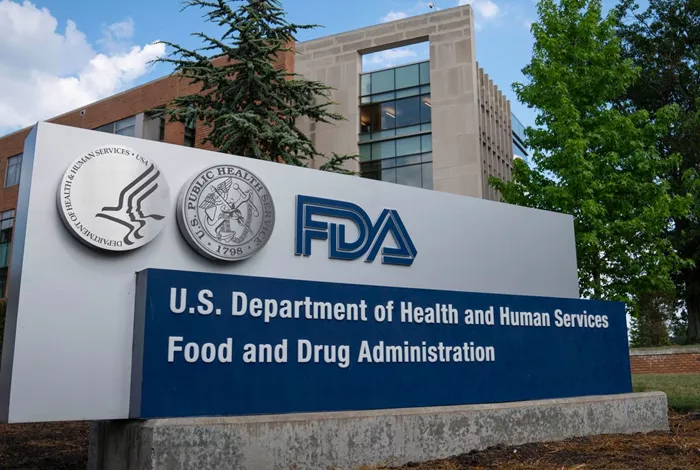
The U.S. Food and Drug Administration (FDA) has prioritized faster drug approvals and treatments for rare diseases. But families facing ultra-rare conditions now fear that these efforts don’t go far enough. A recent FDA rejection of a promising drug highlights the gap between regulatory safety and urgent patient needs.
One such case involves elamipretide, a drug that patients and doctors hoped would treat rare mitochondrial diseases. Although an independent advisory panel narrowly supported it, the FDA denied the drug’s application in May 2025. The agency suggested a different path to approval — a process that could take years and one that excludes the most vulnerable patients: infants.
This decision has deeply impacted families like the Filchaks from Georgia. Their 4-year-old daughter, Hope, has MLS syndrome, a mitochondrial disorder so rare that only 64 U.S. cases were documented by 2018.
One Child’s Fight for Life — and the Drug That Helped
Before taking elamipretide, Hope was sleeping up to 17 hours a day. Her speech regressed, and doctors discovered her heart function had sharply declined. After starting the drug, her condition improved.
“Pretty soon, honestly, she had a lot more energy,” said her mother, Caroline Filchak. Her aunt, Anna Bower, added, “Her quality of life dramatically improved… she was running, dancing, and playing.”
But elamipretide’s long road to FDA approval has been rocky. Originally developed in 2004, the drug didn’t gain serious attention until 2014, when patient advocates for another rare condition, Barth syndrome, encouraged the biotech company Stealth BioTherapeutics to pursue it. The company submitted its application in 2019 and has faced four different FDA review divisions since then.
Despite a 10-6 vote of support from an FDA advisory committee in October 2024, the agency ultimately denied the drug. The reason: it failed to meet key statistical goals during trials involving just 12 participants.
The Conflict Between Urgency and Evidence
Caroline Filchak believes the FDA failed to consider the full impact of the drug, especially from the patients’ perspectives. “It’s been difficult to measure effectiveness because the disease is so rare,” she explained.
The FDA did propose a new approval pathway — but it could take eight months to several years, with no guarantee of success. Following the rejection, Stealth BioTherapeutics laid off 30% of its workforce, raising concerns about whether it can continue operations at all.
Another major setback: the drug can no longer be administered to infants during the process, even though two-thirds of the 35 patients currently receiving it are young children in critical condition.
At a congressional hearing in June, Representative Buddy Carter of Georgia urged U.S. Health Secretary Robert F. Kennedy Jr. to take action. “These children need your help accessing life-saving medications,” Carter said, referencing Hope by name.
What Makes Ultra-Rare Drug Approval So Difficult?
Holly Fernandez Lynch, a bioethicist at the University of Pennsylvania, says the FDA’s hesitation is rooted in science, not indifference. “This isn’t a case of a miracle drug being blocked,” she explained. “If the evidence doesn’t show benefit, the FDA can’t approve it.”
Still, she acknowledges the emotional pain involved. “These families are willing to take on more risk — and understandably so. But that doesn’t mean FDA can approve a drug without evidence it works.”
Granting approval too soon could also harm future drug development. If a medication gets greenlit without clear proof, other treatments for the same condition could face steeper hurdles, Fernandez Lynch said.
Despite the odds, Stealth is preparing a revised application using new clinical data on muscle strength. Whether it’s enough to satisfy regulators remains unclear.
Families Refuse to Give Up
For now, Hope has only a three-month supply of elamipretide. There are no FDA-approved alternatives for her condition and no similar drugs in late-stage development.
“We’re running out of time,” Caroline Filchak said. “This administration claims to support rare disease therapies — but this decision doesn’t reflect that.”
Caroline and her husband, Ben, have taken their 7-year-old son, Thomas, to FDA meetings, calling him their “baby advocate.” Every night, Thomas prays that the FDA will say yes.
“You don’t imagine this is what parenthood will look like,” Caroline said. “But you fight for your kid.”
