
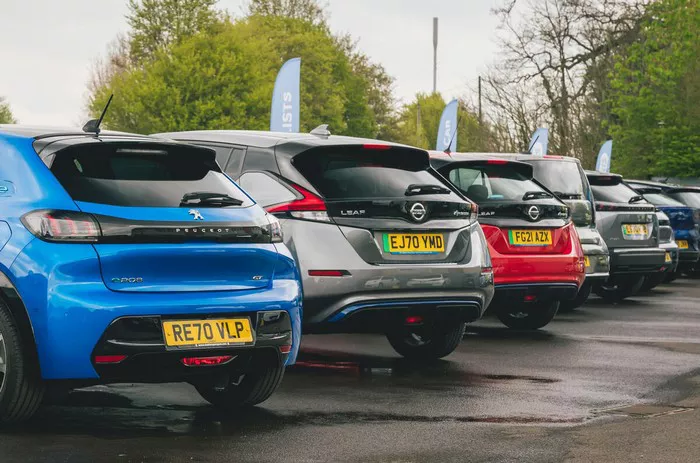
A sharp increase in used electric vehicle (EV) sales has emerged alongside escalating geopolitical tensions in the Middle East, as consumers react to rising fuel costs and uncertainty in global energy markets. Fresh data from automotive intelligence firm Marketcheck highlights a significant shift in buyer behavior, with demand for pre-owned EVs accelerating notably in March.
Marketcheck reported that average daily used EV sales rose from around 787 units in February to 1,074 units in March, marking a substantial month-on-month increase. The data also showed heightened activity throughout the month, with several days surpassing 1,000 units sold—an unprecedented level during the period. The peak came on March 30, when 1,657 vehicles were recorded as sold in a single day.
Analysts link the surge primarily to rising petrol and diesel prices, which have intensified cost pressures for drivers. As fuel prices climbed sharply, many consumers appear to have turned to EVs as a more stable and cost-effective alternative for daily transportation.
Alastair Campbell of Marketcheck UK noted that the uptick in sales was both rapid and sustained. Volumes rose immediately after February and remained consistently above long-term averages, suggesting that external factors are now playing a more influential role in purchasing decisions, beyond the steady growth already seen in the used EV market.
Fuel price trends across Europe support this shift. Data from the RAC shows diesel prices jumped by approximately 40 pence per litre in March, rising from 142.38p to 182.77p—one of the steepest monthly increases on record. The spike has added urgency for consumers seeking to reduce running costs.
Additional industry data reinforces the strength of the used EV segment. Dealer Auction’s EV Performance Review found that EV sales share increased by 78% in March, while average retail margins improved from £2,829 in February to £3,320 in March, representing one of the strongest monthly performances on record for the platform.
Kieran TeeBoon, marketplace director at Dealer Auction, said the trend reflects more than a short-term response to geopolitical developments. Buyers are increasingly weighing long-term electrification trends alongside immediate fuel cost concerns, pointing to a more structural shift in consumer behavior.
The report also highlighted stable fundamentals within the alternative fuel vehicle market. The average age of vehicles remained below five years, while mileage levels rose slightly but stayed relatively low compared to traditional used car inventory, indicating a steady flow of newer EVs entering the second-hand market.
At the model level, performance data showed growing competitiveness among EVs. The Tesla Model X ranked third in retail margin performance, followed by the Volkswagen ID.3 in sixth place, while the Jaguar I-Pace entered the top 10 for the first time. Hybrid models, however, continued to lead overall profitability rankings, with the Volvo XC60 topping the list.
Separate figures from Autorola revealed that used EV and petrol vehicle prices have nearly converged, with just £241 separating the two categories in the first quarter. This narrowing gap was driven by rising petrol vehicle prices and declining EV values.
Neil Frost, managing director of Autorola UK, said the shift reflects a combination of increased EV supply following the latest registration cycle, falling prices, and surging fuel costs. He added that bidding activity for used EVs has nearly doubled over the past three months, describing it as a pivotal moment for the market.
Despite a 10% increase in stock levels, the broader UK used car market remained resilient in March, according to Cazana. Retail prices edged higher across most segments, particularly for newer vehicles, while older, lower-priced models experienced slight declines.
Premium brands such as BMW and Mini outperformed the wider market in terms of price growth, while hybrid vehicles continued to post stronger gains than pure EVs, reflecting diverse consumer preferences across powertrain options.
BCA data showed that average used car values held steady at £7,371 in March, with more than 100,000 vehicles sold during the month. While trading volumes remained robust, the company noted a more cautious tone among professional buyers amid ongoing geopolitical uncertainty, particularly in the EV segment.
Even so, analysts agree that underlying demand remains strong. While recent geopolitical developments have accelerated shifts in consumer behavior, the long-term trajectory toward electrification in the used car market continues to gather momentum.
