
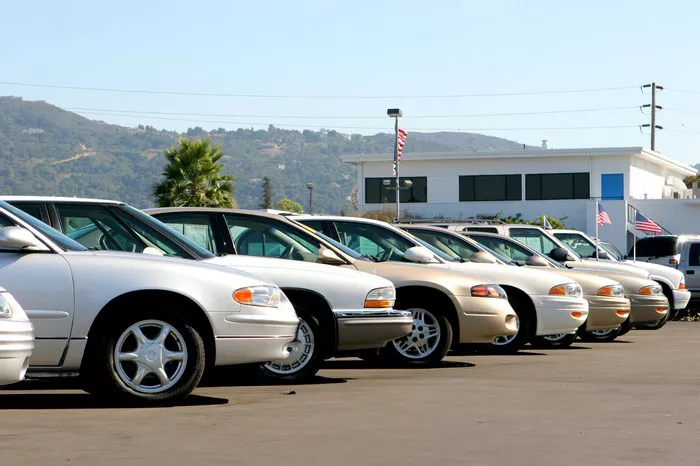
Although the global semiconductor shortage that disrupted the automotive industry during the COVID-19 pandemic has largely subsided, its long-term effects are still being felt in the used car market. A new report from J.D. Power highlights how reduced vehicle production during that period continues to constrain supply, keeping used car prices elevated in 2026.
During the height of the pandemic, widespread factory shutdowns and supply chain disruptions significantly curtailed new vehicle output. This resulted in fewer cars entering circulation, an impact that is now evident in the limited availability of used vehicles. The ongoing imbalance between supply and demand has played a key role in sustaining higher resale values across the market.
According to the report, the average price of a used vehicle has reached approximately $30,166 this year, an increase of around $860 compared with the previous year. While prices remain high, analysts note that supply conditions are gradually improving, which may help ease pricing pressures over time as more vehicles enter the secondary market.
Looking ahead, J.D. Power forecasts that around 16.3 million new cars and trucks will be sold in the United States in 2026. Strong demand for new vehicles is expected to support future growth in used car supply, as these vehicles eventually transition into the resale market in the coming years.
At the same time, improvements in fuel efficiency are helping to mitigate the impact of rising gasoline prices for both new and used car buyers. However, broader geopolitical uncertainties continue to cloud the outlook. Thomas King, president of OEM Solutions at J.D. Power, pointed to ongoing instability in the Middle East as a factor that could influence fuel price volatility and, in turn, affect consumer behavior and vehicle valuations.
Demand trends within the used car market remain uneven across different vehicle categories. Fuel-efficient models are retaining their value more effectively, driven by consumer sensitivity to fuel costs and economic pressures. In contrast, vehicles with higher fuel consumption are experiencing more variable pricing depending on market conditions.
Performance-oriented internal combustion models continue to attract strong interest, particularly among enthusiasts. Vehicles such as the Toyota GR Supra and Porsche 911 are performing well in the resale market, offering relatively modern performance at lower price points than new models.
Not all segments are showing the same resilience. Large luxury SUVs, often associated with higher ownership and maintenance costs, tend to depreciate more quickly. Models including the Infiniti QX80, Cadillac Escalade ESV, and Audi Q7 are among those typically experiencing faster value declines in the used market.
Electric vehicles present a mixed outlook. Some premium EVs, such as the Tesla Model S and Model X, have shown weaker resale performance in certain segments. Meanwhile, more affordable models with limited driving range, including the Nissan Leaf, are also prone to faster depreciation.
For consumers, the current market presents both challenges and opportunities. While overall used car prices remain elevated compared with pre-pandemic levels, depreciation in certain luxury and electric vehicle segments may create opportunities to purchase higher-end models at more accessible prices. Analysts advise buyers to carefully evaluate long-term ownership costs, including fuel expenses, maintenance, and, in the case of EVs, potential battery degradation.
As the automotive market continues to recover from pandemic-era disruptions, used car pricing is expected to remain sensitive to supply dynamics, fuel costs, and geopolitical developments that shape both production and consumer demand.
