
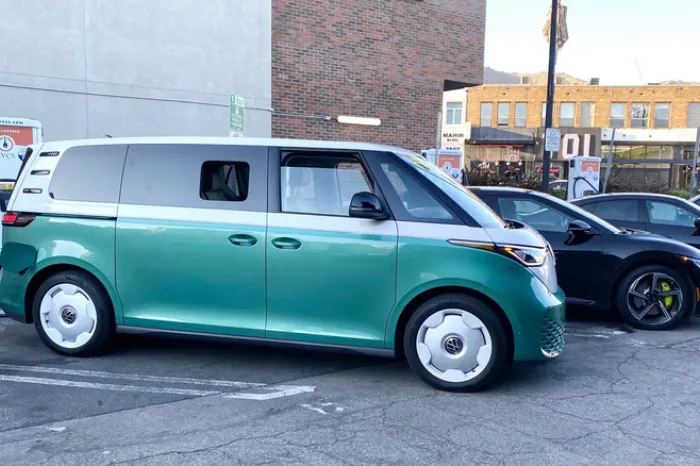
As the cost of gasoline continues to rise, many consumers are turning their attention to electric vehicles (EVs) as a more affordable and environmentally friendly alternative. However, one of the biggest concerns when buying a used EV remains the condition and longevity of its battery. To address these worries, California has introduced a new initiative called the Zero-Emission Assurance Project (ZAP) aimed at assisting owners of used EVs with battery repairs or replacements.
The ZAP program offers financial support for repairing failed battery or fuel cell components that are no longer covered by warranties. Specifically, it covers up to $7,500 in repair costs for such issues. If the battery cannot be repaired, the program provides subsidies of up to $10,000 toward the purchase of a new electric vehicle. This initiative is designed to make owning and maintaining used EVs more accessible and less costly for Californians.
Eligibility for the program is limited to those who have already purchased their used EV through certain state-supported financing or incentive programs, such as the California Air Resources Board’s (CARB) Financing Assistance or Clean Cars 4 All programs. Eligible vehicles include plug-in hybrids, fully electric vehicles, and hydrogen fuel cell EVs that show reduced battery capacity, decreased driving range, or lowered fuel cell power output. To qualify, an EV’s battery capacity must have dropped below 70% of its original level, while fuel cell vehicles must meet manufacturer-specific replacement criteria confirmed by approved diagnostics.
The Zero-Emission Assurance Project was initially piloted in select counties before expanding statewide on March 30. Despite its recent rollout across California, no repairs have been completed yet under the program, although several vehicles have undergone preliminary inspections. The state hopes this assistance will encourage more drivers to consider used EVs without fearing costly battery failures.
This program arrives at a time when many consumers are exploring affordable used EV options amid fluctuating fuel prices and growing environmental awareness. By providing financial help for battery repairs and replacements, California aims to boost confidence in used electric vehicles and promote cleaner transportation alternatives. As technology advances and battery durability improves, initiatives like ZAP could play a crucial role in supporting sustainable vehicle ownership.
For now, prospective buyers should be aware that this assistance is only available after purchase and requires enrollment in specific state programs. Those interested in the ZAP benefits should verify eligibility criteria carefully before acquiring a used EV. With ongoing efforts to enhance clean vehicle adoption, California’s new program represents an important step toward making electric transportation more reliable and affordable for all residents.
