
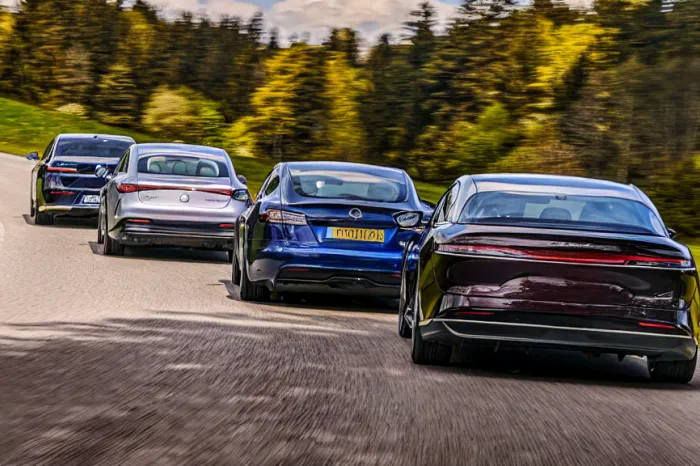
A recent study highlights a significant challenge for owners of luxury electric vehicles (EVs): steep depreciation rates that dramatically reduce their resale value over time. According to data analyzed by iSeeCars.com, full-electric models and high-end luxury vehicles lose the largest portion of their original purchase price within five years of ownership.
The Nissan Leaf, a popular fully electric car, tops the list with a staggering 63.1% drop in value after five years. This means that owners lose nearly two-thirds of what they originally paid. The depreciation translates to an average loss of $17,443, which is somewhat offset by the original vehicle’s relatively low starting price and past federal tax incentives.
Luxury models also feature prominently among the worst depreciators. The Infiniti QX80 full-size SUV suffers a 62.8% value decline, equating to an average depreciation cost exceeding $52,000. Other luxury vehicles such as the Tesla Model S, Land Rover Range Rover, and BMW 7 Series have also experienced depreciation rates above 60%, with dollar losses often surpassing $60,000.
Experts point out that while electric vehicles generally have higher upfront costs than comparable gasoline or hybrid models, these higher prices do not translate into sustained resale value. Many buyers in the used car market are unwilling to pay a premium for EVs, which contributes to their accelerated depreciation. Additionally, generous manufacturer incentives and rebates can inflate new car prices initially but lead to faster value drops as those benefits expire.
The study examined over 950,000 used vehicle sales from March 2025 to February 2026 to measure how much value cars lost after five years on the road. Full-electric vehicles averaged a 57.2% depreciation rate across all models studied, marking them as the hardest hit segment overall. Luxury SUVs and sedans also showed steep declines, driven by high initial prices and shifting consumer demand.
For consumers considering purchasing a new vehicle, understanding depreciation is crucial since it represents the largest single ownership cost. Vehicles that hold their value better offer advantages such as lower monthly lease payments and higher trade-in or resale returns. Conversely, buyers looking for pre-owned cars might find better deals on models that have already depreciated significantly.
This depreciation trend poses questions about the long-term financial benefits of investing in luxury EVs versus more traditional or mid-range alternatives. While electric vehicles offer environmental advantages and technological innovation, their current market value retention remains a concern for owners and potential buyers alike.
As automakers continue to develop new EV technologies and expand incentives, it will be important to monitor whether future models can overcome these steep depreciation patterns to provide stronger value retention in the used car market.
