
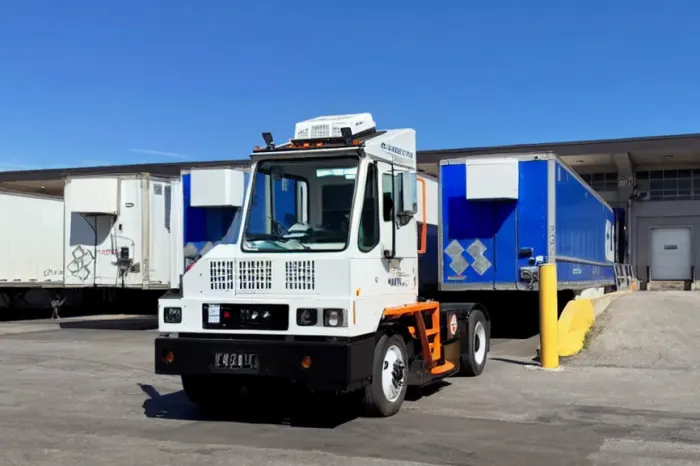
Several leading logistics and port operators in North America are adopting electric terminal trucks to boost efficiency and cut greenhouse gas emissions. GLS Canada has recently integrated multiple Orange EV HUSK-e Class 8 electric terminal tractors at its facilities in Montreal, Toronto, and Winnipeg. This move represents a significant step toward reducing the carbon footprint of freight operations across the country. GLS Canada’s Director of Sustainability, Mélanie Camara, emphasized that this investment aligns with their commitment to the Science Based Targets initiative and supports long-term sustainability goals by lowering emissions and improving energy efficiency.
Each of these electric terminal trucks is expected to eliminate approximately 80 to 90 tons of CO₂ compared to traditional diesel models. Moreover, these vehicles maintain high reliability, achieving uptime rates between 97% and 99%, based on data from Orange EV’s extensive fleet operations. Roberto Bragagnolo, Country Director for Orange EV in Canada, highlighted that these trucks can perform effectively even in harsh Canadian climates while advancing corporate sustainability efforts.
Meanwhile, at the Port of Los Angeles, APM Terminals has deployed twenty new Orange EV electric terminal trucks at its Pier 400 facility as part of a broader electrification initiative. This transition has helped the port reduce truck idle times by nearly 85%, dropping from an average of 90 minutes down to just 35 minutes. The improved flow is attributed to several factors, including green lanes dedicated to zero-emission vehicles, enhanced gate operations, and better coordination between rail and yard activities.
The Port of Los Angeles has also invested heavily in other clean technologies, including electric straddle carriers, forklifts, telehandlers, and a widespread network of EV charging stations. Additionally, ship-to-shore cranes operate on grid electricity, and nearly all vessels docking at Pier 400 use shore power connections to eliminate emissions during loading and unloading. This comprehensive electrification effort is helping reduce fuel costs while supporting cleaner air quality for the surrounding communities.
APM Terminals’ Managing Director Jon Poelma noted that initial skepticism about the reliability improvements was overcome by clear data showing consistent performance gains. The port currently consumes about 7 megawatts of electricity for its electric equipment but plans to increase this usage significantly as it continues to expand its clean energy infrastructure.
To support this transformation, workforce training programs have been implemented to equip mechanics and operators with skills needed for maintaining and running electric equipment safely and efficiently. Joe Gregorio Jr., President and COO of PCMC, praised these efforts as vital for ensuring a skilled workforce that can sustain the port’s decarbonization progress.
Together, these examples illustrate how electric terminal trucks are becoming critical tools in modernizing logistics operations. They offer compelling benefits such as reducing harmful emissions, lowering operational costs, improving equipment uptime, and enhancing overall supply chain efficiency. As more companies recognize these advantages, the adoption of electric trucks in freight yards and ports is expected to accelerate rapidly across North America.
