
As gasoline prices continue to rise due to ongoing geopolitical tensions, particularly the conflict involving the United States and Iran, more consumers are turning their attention to electric vehicles (EVs) as a cost-effective alternative. The growing appeal of EVs is not only due to their environmental benefits but also because of their lower fueling costs compared to traditional gasoline-powered cars.
In every state across the U.S., charging an electric vehicle at home is significantly cheaper than filling up a tank with gasoline. This cost difference is highlighted by the concept of “eGallons,” which compares the cost of electricity needed to drive an EV the equivalent distance of one gallon of gas. Even during times when gasoline prices were relatively low, EVs demonstrated superior efficiency and lower operating costs. With gas prices now elevated, the financial advantage of EVs has become even more compelling.
One key reason for this cost efficiency is the nature of electric drivetrains. Gasoline engines lose about 75% of fuel energy through heat and friction, meaning only about 25% actually powers the car. In contrast, EVs convert roughly 90% of the electrical energy from their batteries into movement. Additionally, EVs recover energy during braking, feeding electricity back into the battery, further improving efficiency. This makes electric vehicles much more economical to operate regardless of how the electricity is generated.
Electricity prices themselves tend to be more stable than gasoline prices. Unlike oil markets that fluctuate wildly due to global events, residential electricity rates are regulated and changes require government approval. Utilities can adjust rates temporarily but typically keep prices steady over time. Moreover, electricity can be sourced from a variety of means such as solar or wind power, reducing vulnerability to supply shocks common in fossil fuel markets.
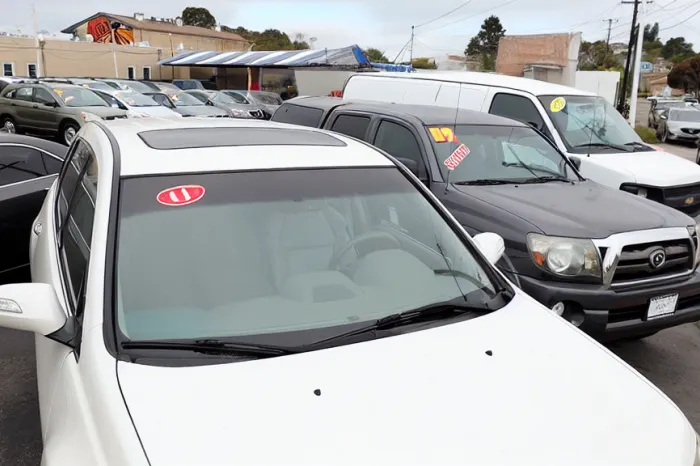
While new electric vehicles often have higher purchase prices than comparable gasoline cars, the gap narrows considerably in the used car market. As of early 2026, used EVs generally cost about $1,400 more than similar used gasoline vehicles but offer lower mileage and newer models for that price range. Approximately 40% of used EVs sell for less than $25,000, making them an accessible option for many buyers seeking long-term savings on fuel costs.
Some EV owners further reduce their expenses by charging during off-peak hours when electricity rates are discounted or by using solar panels to generate their own power. These options provide additional protection against rising energy costs and contribute to greater independence from fossil fuel price volatility.
Although residential electricity prices have increased by about 27% over the past five years—partly due to increased demand from data centers—this rise has not diminished the cost advantage of charging EVs compared to fueling with gasoline. For electricity costs to match current gasoline prices on a per-mile basis, they would need to increase by an additional 250%, a scenario considered unlikely given regulatory controls and diversified energy sources.
The trend toward greater adoption of used electric vehicles reflects growing consumer awareness of these economic benefits amid fluctuating fuel markets. As more drivers consider switching from gasoline cars to EVs, the used car market offers a practical entry point for those seeking affordability without sacrificing efficiency or reliability.
