
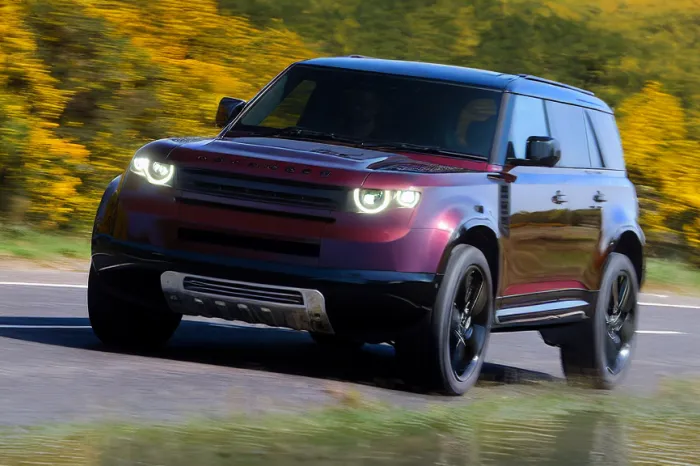
Land Rover continues to push the boundaries of innovation with its latest vehicle models, showcasing a blend of tradition and modern electric technology. The brand recently revealed the Freelander Concept 97, a new electric SUV developed through a joint venture between Jaguar Land Rover (JLR) and China’s Chery Automobile. Named in honor of the original Freelander released in 1997, this concept vehicle represents Land Rover’s commitment to maintaining its off-road heritage while embracing the future of electric mobility.
The Freelander Concept 97 features an 800-volt modular architecture developed by Chery, capable of supporting plug-in hybrid, electric, and extended-range electric vehicles. While detailed specifications such as battery size and power output have not been disclosed, the concept promises a rugged design reminiscent of the classic Land Rover Defender, combined with modern styling cues like suicide doors and silver accents. At approximately 200 inches in length, it is notably larger than the original Freelander and aims to offer premium quality without excessive ostentation.
Although initially targeted at the Chinese market, Land Rover and Chery plan for the Freelander to reach global customers, including Europe. However, due to tariffs and market conditions, it is unlikely to be introduced in the United States soon. The brand’s leadership emphasizes that this new model will preserve Land Rover’s renowned off-road capability while appealing to contemporary buyers seeking both style and function.
In parallel with the Freelander launch, Land Rover is preparing to expand its Defender lineup with the introduction of a smaller all-electric model tentatively called the Defender Sport. This new vehicle will be built on JLR’s Electric Modular Architecture (EMA), which also underpins other upcoming electric models like the Range Rover Evoque and Velar. Mark Cameron, Defender brand director, highlighted that while the Defender Sport may have some limitations compared to current models due to its electric platform design—such as reduced wheel travel—it will still offer substantial off-road performance paired with luxury features.
The Defender Sport represents Land Rover’s strategic shift in positioning Defender as a standalone luxury lifestyle brand within JLR’s ‘House of Brands’ framework. It will be the first entirely new product developed since Defender was elevated from a model line to a separate brand alongside Range Rover and Discovery. This move signals Land Rover’s long-term vision to build an expanded portfolio of vehicles that uphold the core DNA of durability, go-anywhere capability, and premium quality.
Beyond new launches, there is renewed interest in Land Rover’s heritage through restomods—modernized restorations of classic models like the original Defender. These vehicles combine nostalgic design elements with updated technology to offer enthusiasts a unique blend of past and present. Once viewed primarily as utilitarian workhorses known for their ruggedness rather than comfort, Land Rovers have transformed into coveted lifestyle vehicles prized for their adventurous spirit.
Overall, Land Rover is balancing respect for its storied history with bold steps into electrification and global expansion. The Freelander Concept 97 and upcoming Defender Sport exemplify this approach by offering innovative electric platforms without sacrificing the brand’s signature off-road prowess. As these models move closer to production, they are expected to attract a diverse range of customers looking for premium SUVs that can perform both on city streets and challenging terrain.
