
Rising global oil prices, fueled by ongoing geopolitical tensions in the Middle East, are reshaping consumer behavior in the U.S. automotive market. As crude oil approaches $100 per barrel, American drivers are increasingly favoring fuel-efficient vehicles, particularly in the used car segment.
Recent data highlights a rapid shift in online search trends over the past five weeks. Between early February and early March, searches for electric vehicles (EVs) jumped from 12.1% to 20.4%, reflecting heightened consumer interest in alternatives to fuel-intensive vehicles. Analysts attribute this spike to extensive media coverage of geopolitical instability and its direct impact on fuel costs.
Among used EVs, the Tesla Model 3, especially its Long Range variant, has become the most sought-after model. Other popular options include the Tesla Model Y, Chevrolet Bolt, and Ford Mustang Mach-E. These models are appealing to buyers seeking a balance between driving range and affordability in the second-hand market.
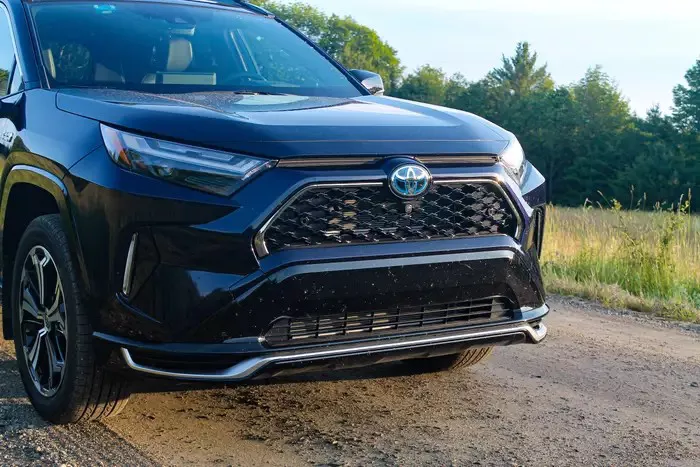
Hybrid vehicles are also seeing increased attention. Search interest for hybrids rose from 15.2% to 17.8% over the same period, underscoring sustained demand for fuel-efficient vehicles that do not rely solely on charging infrastructure. Leading this category is the Toyota RAV4 Hybrid, alongside the Honda CR-V Hybrid and Ford Maverick, offering a practical compromise for families and SUV or truck drivers.
In contrast, interest in traditional gasoline and diesel vehicles is declining. Searches for gasoline-powered cars fell from 65.4% to 59.1%, while diesel vehicles saw an even sharper drop. Analysts suggest rising fuel costs are driving consumers away from conventional engines in favor of lower-operating-cost alternatives.
Sales figures mirror these trends. In February, approximately 161,580 used hybrid vehicles were sold in the U.S., marking a 9.1% increase year-over-year. Used EV sales exceeded 30,000 units, a 28.8% rise compared to the previous year. Meanwhile, gasoline vehicle sales declined nearly 12%, and diesel vehicle transactions dropped by 19%.
Industry observers emphasize that this shift reflects actual purchasing behavior, not just online interest. Consumers are increasingly choosing vehicles that reduce long-term fuel expenses amid volatile oil prices.
The growing availability of used EVs is also making electric vehicle ownership more accessible. As the secondary market expands, prices are becoming more competitive, further accelerating adoption.
Looking ahead, analysts say the trajectory of fuel prices will be key to sustaining this momentum. If oil prices remain elevated, demand for electric and hybrid vehicles is expected to continue rising, with affordability and efficiency emerging as primary factors in consumer decision-making.
