
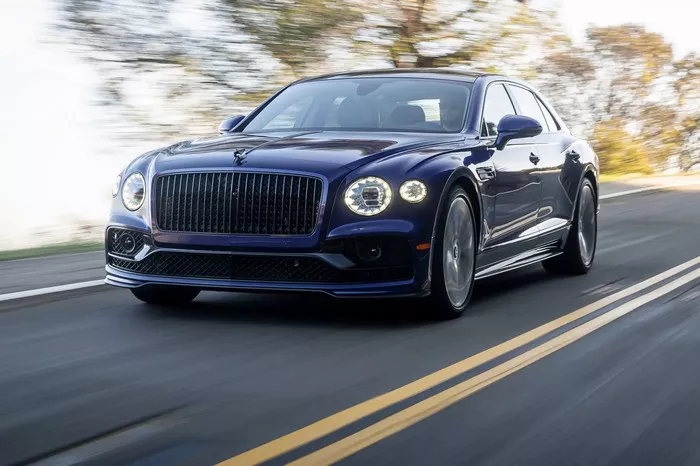
The Australian government has removed the 5% import tariff on European vehicles as part of a new Australia–Europe Free Trade Agreement (A-EU FTA), but the 33% Luxury Car Tax (LCT) remains in place for petrol-powered cars. The increase of the LCT threshold to AUD $120,000 for zero-emissions vehicles positions premium electric vehicles (EVs) as the clear winners under the new rules.
Prime Minister Anthony Albanese described the landmark deal, finalized after nearly eight years of negotiations, as a major milestone. “Australia’s relationship with the European Union continues to go from strength to strength. This agreement will deliver benefits for both Australian exporters and European consumers for generations,” Albanese said. He highlighted opportunities for Australian exporters in the EU’s $30 trillion economy and noted potential cost savings for consumers.
While the media release emphasized that “farmers and businesses will also benefit from cheaper motor vehicles and machinery,” industry experts caution that these benefits are mostly limited to electric and commercial vehicles.
Tariff Removal Benefits Businesses, But LCT Remains
The elimination of the 5% import tariff applies to European-made vehicles, including commercial vans and utes, bringing them in line with imports from other free-trade partners such as Thailand and Japan.
However, petrol vehicles priced above AUD $80,567 remain subject to the 33% Luxury Car Tax. The only change is the new $120,000 LCT threshold for zero-emissions vehicles, effectively exempting premium EVs from the tax.
Federal Chamber of Automotive Industries (FCAI) CEO Tony Weber welcomed the tariff cut but criticized the continued LCT. “Luxury car taxes were first introduced nearly 40 years ago to protect a domestic manufacturing industry that no longer exists. The tax now serves primarily as a revenue source and imposes unnecessary costs on consumers,” Weber said.
The government retained the tax to protect an annual $1.1 billion revenue stream, offering a “green” concession by increasing the threshold for electric vehicles rather than abolishing it entirely.
New Vehicle Efficiency Standards Could Offset Tariff Savings for Petrol Cars
While the tariff removal benefits European petrol vehicles in the short term, the upcoming New Vehicle Efficiency Standard (NVES) is expected to nullify these savings. From 2028, manufacturers of high-emission petrol and diesel vehicles will face significant fines if their fleets exceed CO2 targets.
For example, vehicles like the Toyota Yaris Hybrid (~76 g/km) and Suzuki Swift Hybrid (~85 g/km) could trigger millions in penalties unless manufacturers balance sales with zero-emission EVs or plug-in hybrids. NVES targets tighten from 117 g/km in 2026 to 68 g/km in 2028 and 58 g/km in 2029, effectively incentivizing manufacturers to prioritize EVs.
EVs Dominate the Benefits Under the New Rules
Zero-emission vehicles not only avoid NVES penalties but also generate credits that can be sold to other brands. Combined with the higher LCT threshold and 0% import tariff, European EVs enjoy a triple advantage:
- No import tariff under the A-EU FTA
- LCT exemption for vehicles priced under AUD $120,000
- NVES credits that reduce regulatory fines for manufacturers
BMW’s fully electric iX3 50 xDrive, priced at AUD $109,900, now escapes the 33% LCT, making premium European EVs more competitive. In contrast, a similarly priced petrol SUV will continue to incur significant tax penalties.
The Free Trade Agreement effectively rewards buyers of high-end electric vehicles while leaving petrol and diesel consumers with limited relief. European brands, with strong EV portfolios, are expected to pass savings on to buyers, accelerating the shift to zero-emission vehicles on Australian roads.
