
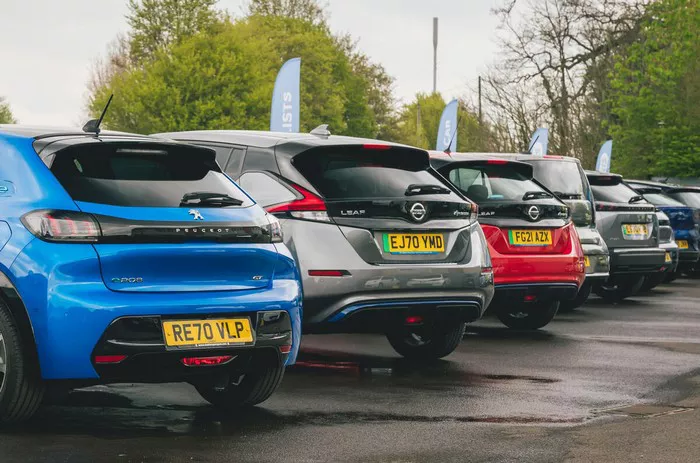
The used electric vehicle (EV) market is undergoing a notable shift, transforming what was once seen as a risky purchase into an increasingly attractive option for cost-conscious buyers. Falling prices, improved supply, and growing confidence in battery longevity are reshaping perceptions and driving renewed interest in secondhand electric cars.
For years, concerns around battery degradation, limited driving range, and weak resale values discouraged many potential buyers from considering used EVs. Today, those fears are easing as market conditions evolve. While not every used EV represents a smart purchase, the segment as a whole is becoming more competitive with traditional gasoline-powered vehicles.
One of the most significant changes is pricing. According to Cox Automotive, the average listing price for a used EV in January stood at $35,442, marking a 5.1% decline year over year. At the same time, the price gap between used EVs and comparable gasoline vehicles narrowed sharply to just $1,376, down from $2,591 a month earlier. This rapid adjustment signals that affordability—once a key barrier—is becoming less of an obstacle.
The downward trend in prices is being driven in large part by a surge in supply. Off-lease vehicles are returning to the market, rental companies are offloading fleets, and repeated price cuts for new EVs have pulled used values lower. While this depreciation has impacted first owners, it is creating opportunities for secondhand buyers to access modern electric vehicles at significantly reduced costs.
Battery concerns, long a sticking point in the used EV conversation, are also becoming less daunting. Industry guidance suggests that battery health is influenced by factors such as charging cycles and exposure to extreme temperatures, rather than an unpredictable failure timeline. Analysts increasingly indicate that most modern EV batteries are designed to last the life of the vehicle, with gradual degradation being the more typical outcome.
Equally important is the role of battery warranties. In the United States, most EVs are sold with at least an eight-year or 100,000-mile battery warranty, which typically transfers to subsequent owners. This means that many used EVs—particularly those three to four years old—still offer substantial warranty coverage, even after experiencing their steepest depreciation. Consumer Reports notes that these warranties generally cover major capacity loss, often below about 70%, as well as outright battery failure.
Ownership conditions have also improved. While public charging infrastructure can still be inconsistent in some areas, daily use has become more manageable for many drivers, particularly those with access to home charging. Routine maintenance costs are often lower than those of internal combustion vehicles, although EVs come with their own considerations, including potentially higher tire wear and different service needs.
Tesla has played a central role in shaping the current used EV landscape. Models such as the Model 3 and Model Y are widely available on the secondary market, aided by aggressive new-car price reductions and large volumes of vehicles released from rental fleets. This has put pressure on resale values but created favorable conditions for buyers seeking relatively affordable entry points into EV ownership.
The shift is already reflected in sales data. Used EV sales in the United States reached 31,503 units in January, an increase of roughly 21% compared to a year earlier. Annual sales for 2025 climbed to 378,140 units, up about 35% year over year, underscoring growing mainstream acceptance.
Despite these positive trends, experts caution that careful evaluation remains essential. Prospective buyers should assess battery health, charging capabilities, remaining warranty coverage, and whether a vehicle’s real-world range aligns with their driving needs. A low purchase price alone does not guarantee good value.
Ultimately, the used EV market is entering a new phase. What was once considered a niche or uncertain segment is increasingly defined by practical economics. For buyers with predictable driving habits and access to charging, used electric vehicles are emerging as one of the few areas in the automotive market where affordability and value are beginning to align.
