
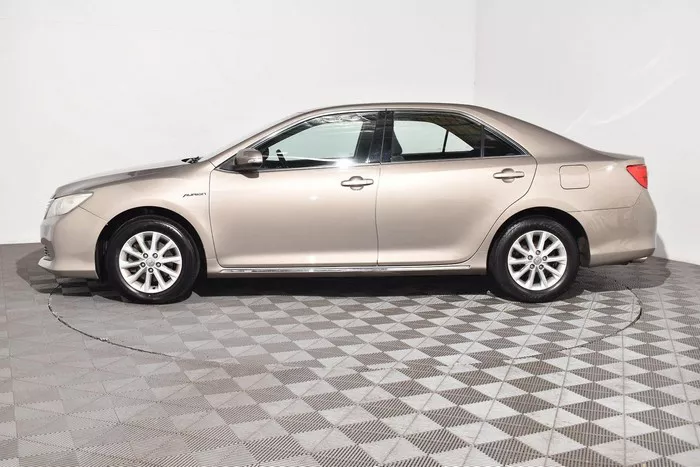
The market for certified pre-owned (CPO) cars in Korea is growing rapidly as consumers seek safer alternatives to ordinary used vehicles, which are often plagued by fraud and hidden damage. Unlike standard used cars, which can include flood-damaged or accident-prone vehicles, certified pre-owned models are carefully inspected, reconditioned, and backed by warranties, offering buyers peace of mind at a premium.
A recent case highlights the risks ordinary used-car buyers face. An office worker purchased a nearly new Mercedes-Benz S-Class for 125 million won, roughly half the price of a new model. Although the dealer claimed the vehicle had no accidents, police later confirmed it had been flooded during the previous year’s monsoon season. Scams like these—selling damaged cars as clean or overcharging for nonexistent vehicles—remain widespread in Korea’s used-car market.
Imported car brands have turned this challenge into an opportunity. By selling only high-quality, accident-free vehicles through certified programs, automakers can build consumer trust, preserve brand value, and generate additional revenue by linking used-car sales to financing, maintenance, and new-car purchases.
The concept of certified pre-owned cars in Korea dates back to 2003, when Chrysler first introduced it. However, the program initially struggled due to low new-car sales and limited availability of used models. BMW, entering the market in 2005, eventually established the CPO model’s success. The brand’s certified pre-owned sales grew from just 86 units in 2005 to over 12,000 units by last year. Other luxury brands—including Mercedes-Benz, Audi, Lexus, Jaguar Land Rover, Volkswagen, Porsche, Ferrari, and Volvo—have since followed suit. In 2023, domestic automakers Hyundai Motor and Kia also launched certified pre-owned programs.
Certified pre-owned cars address the problem of “information asymmetry,” an economic theory by Nobel laureate George Akerlof, where buyers have less information than sellers. In the used-car market, this imbalance can lead to overcharging or purchase of damaged vehicles. CPO programs reduce these risks by selecting high-quality vehicles, performing detailed inspections, and offering warranties that often rival those of new cars.
Typically, certified pre-owned cars are limited to accident-free vehicles delivered within the past five to six years. They undergo reconditioning to fix cosmetic damage and replace worn parts. Mercedes-Benz, for instance, sells only cars under six years and 150,000 kilometers, performing extensive checks on the engine, underbody, interior, paint, brakes, and more, using genuine parts when replacements are needed. BMW offers similar programs with a one-year, 20,000-kilometer warranty, while Ferrari now provides a two-year standard warranty on all certified pre-owned cars. Hyundai and Kia also follow strict selection and reconditioning processes.
While CPO cars are cheaper than new models, they are generally more expensive than standard used cars due to the higher quality, reconditioning, and warranty coverage. Choices are also limited, as only a small percentage of accident-free vehicles meet certification criteria. Consumers may need to compromise on color, trim, or options, and minor issues not caught during inspection can still arise.
Despite these drawbacks, certified pre-owned cars offer significant advantages. For buyers seeking accident-free vehicles with reliable warranties and immediate availability, CPO programs provide a safer, more reassuring alternative to ordinary used cars. Ultimately, these programs show that “thrifty buying” is not just about lower prices—it is about protecting buyers from fraud while delivering real value.
