
Ovarian cancer remains one of the deadliest gynecological cancers, often diagnosed at advanced stages and sometimes resistant to standard treatments. Even when therapies initially work, the disease can return, prompting researchers to explore new approaches that slow cancer growth while sparing healthy cells.
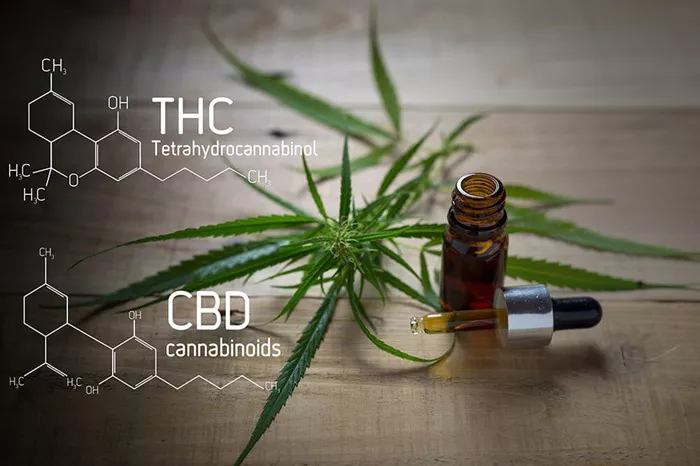
A recent study published in Frontiers in Pharmacology examined two well-known cannabis compounds—cannabidiol (CBD) and tetrahydrocannabinol (THC)—for their effects on ovarian cancer cells in the lab. Researchers found that when used together, CBD and THC slowed cancer cell growth, limited colony formation, and reduced cell migration.
Combining Compounds for Stronger Effects
The research team tested CBD and THC on two types of ovarian cancer cells: one responsive to platinum-based chemotherapy and one resistant. Both compounds slowed cell growth individually, but the strongest effects were seen when the two were combined in a 1:1 ratio. Treated cells formed fewer and smaller colonies, suggesting reduced survival and multiplication.
The compounds also appeared to curb the ability of cancer cells to migrate, which may indicate potential for slowing the spread of the disease. Researchers believe CBD and THC may work through different but complementary pathways to achieve these results.
Targeting a Key Cancer Pathway
The team looked at the PI3K/AKT/mTOR pathway, a molecular system often overactive in ovarian cancer and linked to tumor growth and therapy resistance. After treatment with CBD and THC, activity in this pathway shifted closer to normal levels. The researchers suggest that restoring balance in this signaling system could help explain the slower growth and reduced mobility of cancer cells.
Early Findings with Important Limitations
Despite promising results, the researchers caution that these findings are preliminary. All experiments were conducted in lab-grown cells, not in humans. The study did not include animal tests, clinical trials, or data on how the body processes these compounds. Legal and regulatory hurdles also remain for cannabinoid-based therapies.
“Although our study is still preliminary, it lays an important foundation for future research into the potential applications of CBD and THC in ovarian cancer treatment,” said Dr. Siyao Tong of Khon Kaen University. “By confirming their anti-cancer activity and identifying key molecular mechanisms, our findings can guide further preclinical research.”
Related topic:
