
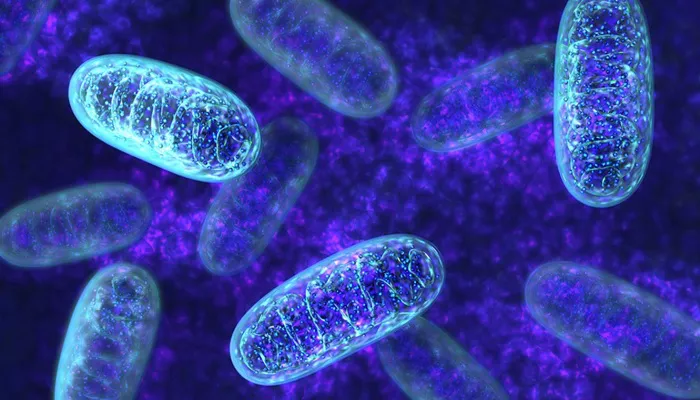
Researchers at The University of Texas MD Anderson Cancer Center have discovered that a mitochondrial enzyme called GFER helps pancreatic tumors evade the immune system, making them resistant to treatment.
The study, published in Cancer Research, found that blocking GFER alongside immune checkpoint therapy produced a strong antitumor response in preclinical models. The work, led by Ziheng Chen, Ph.D., and Giulio Draetta, M.D., Ph.D., professor of Genomic Medicine and MD Anderson’s chief scientific officer, points to a potential new treatment strategy for pancreatic cancer patients.
“These findings highlight a promising target for pancreatic cancer, which is notoriously difficult to treat,” said Draetta. “Understanding how these tumors suppress the immune system is essential for developing therapies that can give patients better outcomes.”
Why pancreatic cancer is so challenging
Pancreatic cancer is highly aggressive and resistant to many treatments due to a unique tumor environment that suppresses immune activity. Researchers suspect that mitochondrial activity plays a key role, altering tumor metabolism, reducing immune cell function, triggering inflammation, and contributing to treatment resistance. This led the team to investigate potential targets within the mitochondria.
How GFER influences tumor growth and immunity
GFER is a mitochondrial protein that supports normal cellular energy processes. Its role in cancer, however, was unclear.
Using genomic screening, researchers identified GFER and three other mitochondrial metabolism genes as essential for pancreatic tumor growth. Inhibiting GFER disrupted tumor cell energy production, interfered with the cell cycle, and created stress that slowed tumor growth in preclinical models. Importantly, GFER suppression also activated the immune system, making tumors more responsive to immune checkpoint therapy and dramatically improving antitumor activity.
Implications for future pancreatic cancer treatments
These findings suggest that GFER plays a central role in creating the immunosuppressive environment of pancreatic tumors. Targeting GFER could make pancreatic cancers more sensitive to immune therapies, offering a potential path to improved patient outcomes. Clinical trials will be needed to confirm whether this two-pronged approach works in humans.
Related topic:
