
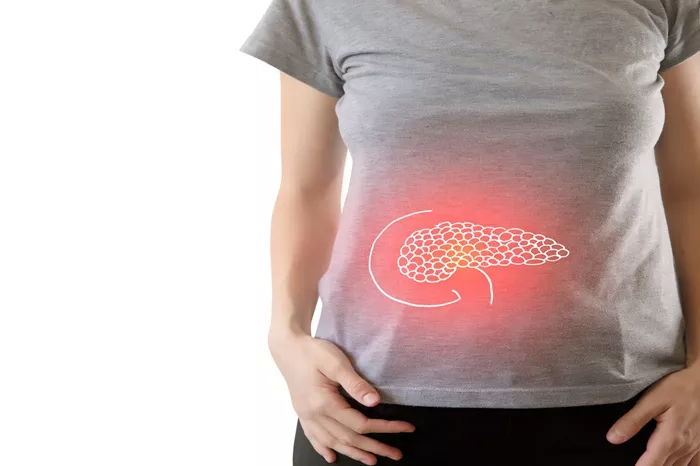
A new study from the University of Houston College of Pharmacy suggests that targeting a specific cell pathway could help counter muscle wasting in pancreatic cancer patients. The findings were published in EMBO Molecular Medicine.
Cancer cachexia, a debilitating syndrome marked by progressive loss of skeletal muscle, affects 60%–85% of people with pancreatic cancer. Researchers at UH have identified one pathway that plays a central role in this process.
“We show that the IRE1α/XBP1 pathway is a key contributor to muscle wasting,” said Ashok Kumar, Else and Philip Hargrove Endowed Professor of Drug Discovery and director of The Institute for Muscle Biology and Cachexia. “Deleting the XBP1 transcription factor specifically in skeletal muscle significantly reduces pancreatic tumor-induced muscle loss.” The study’s first author is Aniket Joshi, a postdoctoral fellow in Kumar’s lab.
The IRE1α/XBP1 pathway functions in the endoplasmic reticulum, a cellular hub where proteins and fats are produced. Muscle wasting in pancreatic cancer arises mainly from increased protein breakdown combined with reduced protein synthesis, leading to a net loss of muscle protein.
While this study focuses on the pathway’s role in cachectic muscle, previous research shows that IRE1α/XBP1 signaling also influences tumor growth, cancer progression, and resistance to chemotherapy.
“The role of this pathway in pancreatic cancer cell survival, especially in response to chemotherapeutic agents, requires further study,” Kumar added.
Related topic:
