
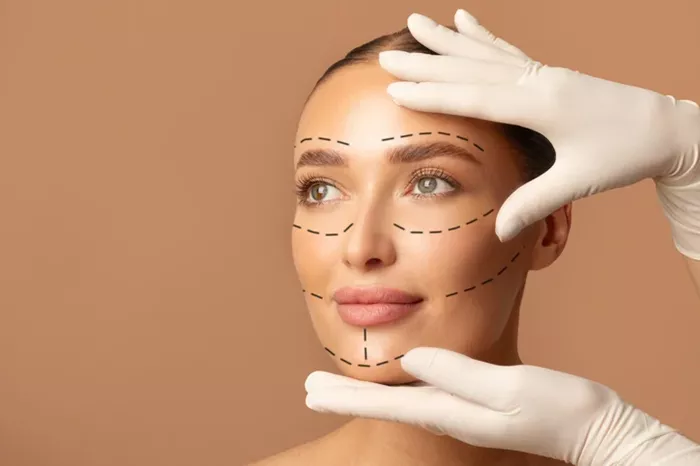
Plastic surgery is on the rise in 2025, with both surgical and non-surgical procedures gaining popularity. Recent data shows that the top cosmetic surgeries in 2024–2025 include liposuction, breast augmentation, tummy tucks, thigh and body lifts, and eyelid surgery. Facial procedures like rhinoplasty, facelifts, and eyelid lifts are also seeing strong demand.
Non-surgical treatments remain popular as well. Injectable fillers, Botox, skin-tightening procedures, and dermal resurfacing attract patients for their quick results and minimal recovery time. Many of these trends are fueled by dramatic weight loss, often linked to new weight-loss drugs, prompting individuals to seek body-contouring surgeries to address excess skin.
Why More People Are Opting for Surgery—And at Younger Ages
Several factors drive this surge. Social media and video calls expose people to constant images of “ideal” beauty, creating pressure to look polished. Non-surgical procedures offer subtle, natural-looking results quickly, appealing especially to younger patients.
Body changes, such as loose skin after rapid weight loss, also play a role. Cosmetic surgery provides a way to restore perceived balance.
Normalization and acceptance are growing too. Celebrities and public figures openly discuss cosmetic procedures, reducing stigma and framing enhancements as personal choices. As a result, even people in their twenties and early thirties increasingly consider cosmetic tweaks, not just older adults seeking rejuvenation.
The Hidden Dangers: Physical and Mental Risks
Despite its popularity, cosmetic surgery carries significant risks. Even routine procedures can lead to infections, scarring, nerve damage, blood clots, or unsatisfactory results. Body-contouring surgeries after weight loss can be unpredictable, and recovery is often longer and more painful than expected.
Extreme procedures aimed at achieving unrealistic body ideals are rising, raising concerns about long-term health consequences.
Mental health risks are also serious. Social pressure, unrealistic beauty standards, and the lure of quick fixes can lead to a cycle of dissatisfaction. Experts warn that cosmetic procedures often offer temporary solutions rather than fostering true self-acceptance. Young patients may underestimate long-term impacts and the need for repeated maintenance.
Social Media and the Youth Surge
Shifting cultural beauty norms and social media play a central role in this trend. Curated feeds, filters, and before-and-after photos create a perception that surgical enhancements are normal—or even necessary. Influencers and celebrities sharing their procedures amplify this effect, encouraging followers to pursue similar treatments without fully understanding the risks.
As plastic surgery grows in popularity, experts emphasize the importance of weighing physical, mental, and long-term consequences before making irreversible decisions.
Related topic:
