
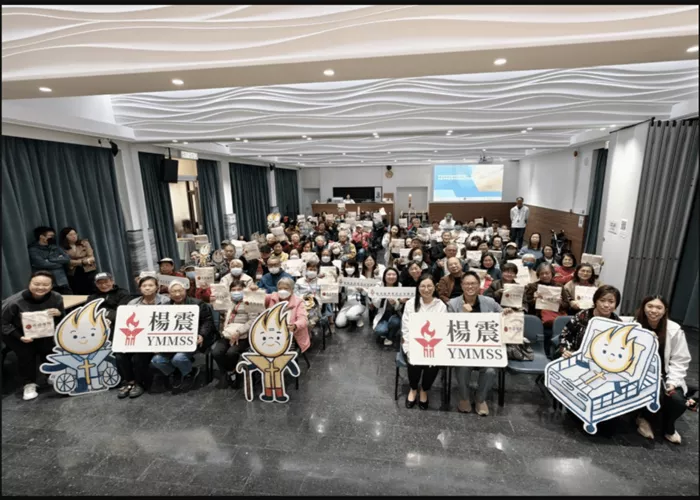
As Hong Kong’s population ages, the mental health of the elderly has become an urgent social issue. A recent lecture on elderly mental health highlighted early detection, self-assessment, and care strategies for depression, anxiety, and dementia, while teaching caregivers practical techniques for emotional management and stress reduction.
Rising Numbers, Rising Concerns
According to the Census and Statistics Department, the proportion of Hong Kong residents aged 65 and above is projected to reach 36 percent by 2046. Common mental health issues among seniors—such as depression, anxiety, and dementia—pose significant challenges for individuals and families. To raise awareness, the Hong Kong Specialist Day Medical Centre and the Methodist Yang Tsat Social Service Unit Elderly Services Department (West Kowloon) co-hosted an “Elderly Mental Health Lecture.”
Psychiatrist Dr. Poon Kam-shan, the keynote speaker, warned that dual-elder households and seniors living alone are becoming more common. Post-retirement lifestyle changes, loss of a spouse, declining health, and financial pressures can trigger emotional distress. Many affected seniors may not actively seek help, making societal support crucial for these “hidden cases.”
Recognizing Mental Health Issues
Dr. Poon explained that depression and anxiety share symptoms like sleep disturbances, appetite changes, and low energy. Depression often manifests as persistent low mood, self-criticism, slowed thinking, and physical symptoms such as fatigue, headaches, and heart palpitations. Anxiety tends to present with nervousness, irritability, rapid breathing, and trembling hands or feet.
Caregivers can monitor seniors’ mood, behavior, and social interaction to identify potential problems early. Dr. Poon advised communicating in a quiet, comfortable environment, using a gentle tone, and patiently encouraging seniors to express their feelings. Suspected emotional issues should prompt consultation with a family doctor, psychiatrist, or social worker.
Understanding Dementia
Citing the “Hong Kong Mental Health Survey for the Elderly” (2019–2023), Dr. Poon noted that around 9.7 percent of residents aged 60 and above have dementia. Symptoms include memory loss, difficulty naming people or objects, reduced language ability, poor concentration, personality changes, impaired judgment, and disorientation. Some patients may also experience delusions, hallucinations, or unusual behaviors.
Recent research identifies modifiable risk factors, including physical inactivity, limited social interaction, smoking, excessive alcohol use, and obesity. Preventive measures include avoiding head injuries, managing weight, and controlling conditions such as hypertension, diabetes, high cholesterol, vision or hearing loss, and depression. While there is no cure, lifestyle adjustments, balanced diets, social engagement, and medications can slow disease progression and improve quality of life. Early detection and intervention remain key.
Supporting Caregivers
Caring for seniors with mental health issues is demanding and can lead to caregiver burnout. Dr. Poon emphasized four strategies for caregiver well-being:
Self-Care and Relaxation: Prioritize sleep, nutrition, exercise, hobbies, and use techniques like deep breathing to relieve stress.
Education and Realistic Expectations: Learn about dementia to set realistic expectations and prepare for challenges.
Effective Communication: Maintain eye contact, speak clearly, and manage patients’ emotional and behavioral changes calmly.
Accessing Support: Utilize government and NGO resources, including day care and residential services, to support both seniors and caregivers.
As Hong Kong’s elderly population grows, raising awareness and providing practical support for both seniors and caregivers is vital to ensuring mental well-being and quality of life.
Related topic:
